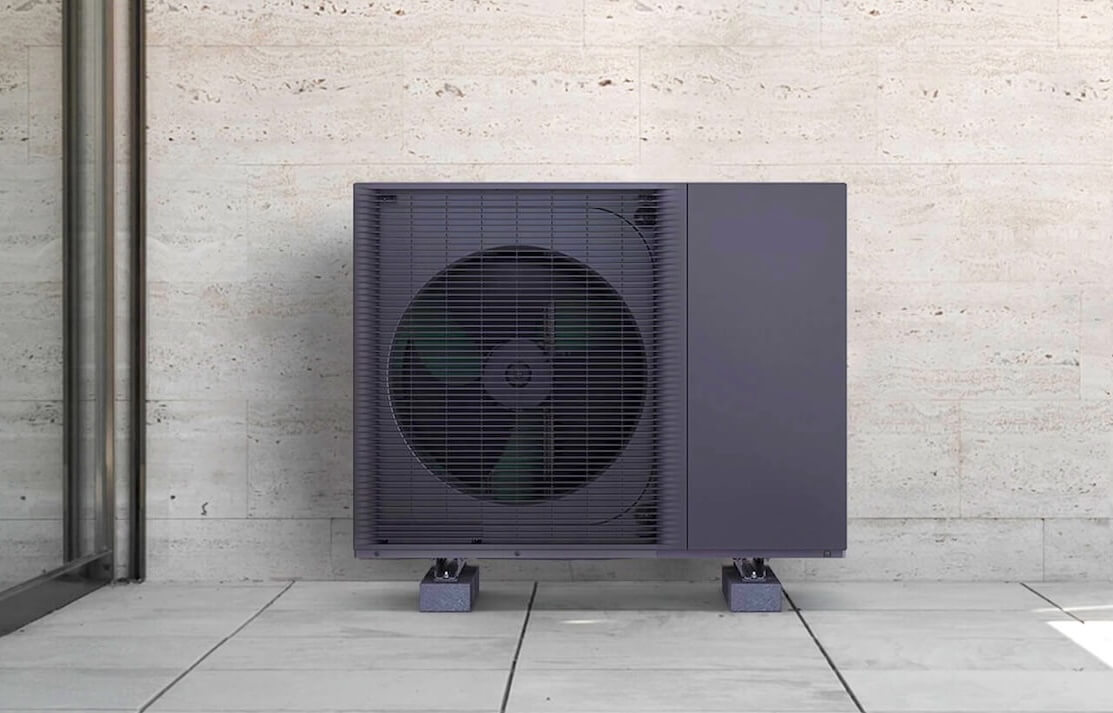
Looking for trusted heat pump installers in Berkshire? You are in the right place.
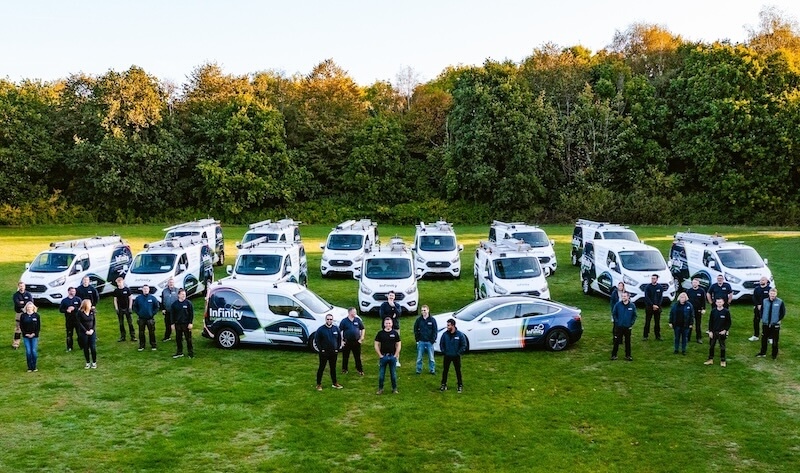
At Infinity Energy Services we have been designing and installing renewable heating, solar, and battery systems since 2011, with more than 6,500 installations completed across the south of England.
We are MCS-certified for air source heat pumps, registered for the £7,500 Boiler Upgrade Scheme (rising to £9,000 for oil and LPG homes from July 2026), and were named Best Regional Installer at the Energy Efficiency Awards in 2023, 2024, and 2026.
This page covers everything Berkshire homeowners need to know: 2026 costs, the latest grant changes, planning rules across Berkshire’s six unitary councils, and honest running-cost figures using the current Ofgem price cap.
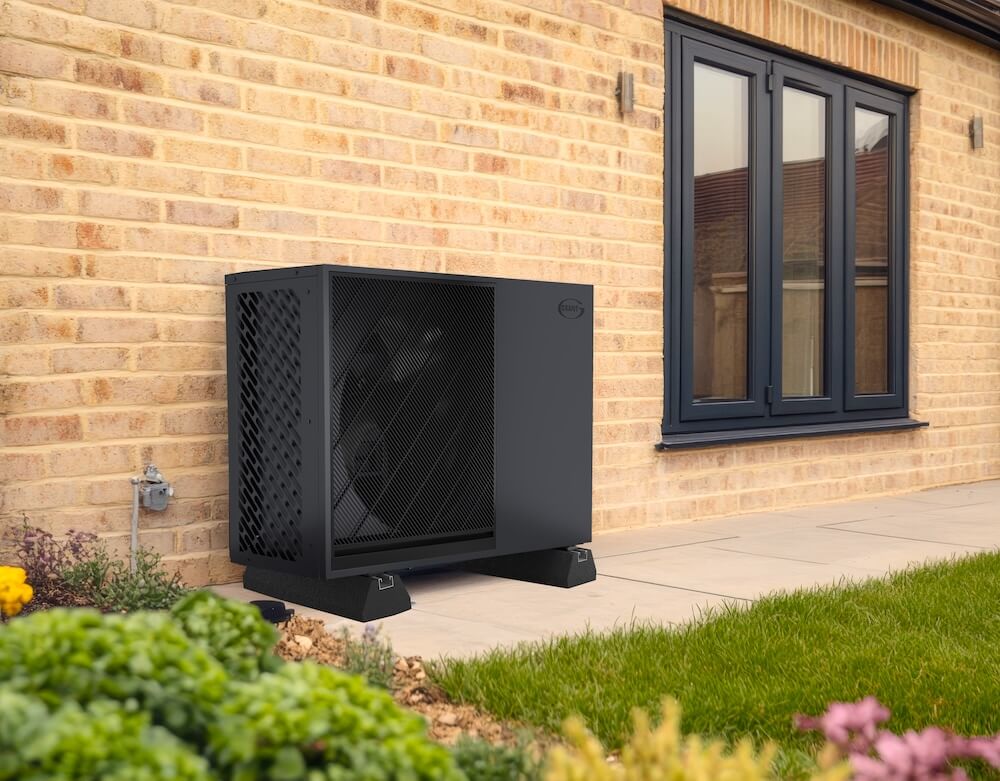
If you would prefer to skip ahead, click the button below, or call us on 0800 909 8882 for a tailored quotation.
– Last updated 18 May 2026 –
TABLE OF CONTENTS
• Why Berkshire Is Well Suited to Heat Pumps
• Why Choose Infinity Energy Services
• Hear From One of Our Customers
• How Much Do Heat Pumps Cost in Berkshire in 2026?
• The Boiler Upgrade Scheme Grant
• 0% VAT on Heat Pump Installations
• Why Air Source Heat Pumps Work for Berkshire Homes
• Planning Permission for Heat Pumps in Berkshire
• Will a Heat Pump Work in My Home?
• Our Installation Process
• Heat Pumps Work Even Better with Solar and Battery
• May 2026 Update
• Areas We Serve in Berkshire
• Frequently Asked Questions
• Get a Free Heat Pump Quote in Berkshire
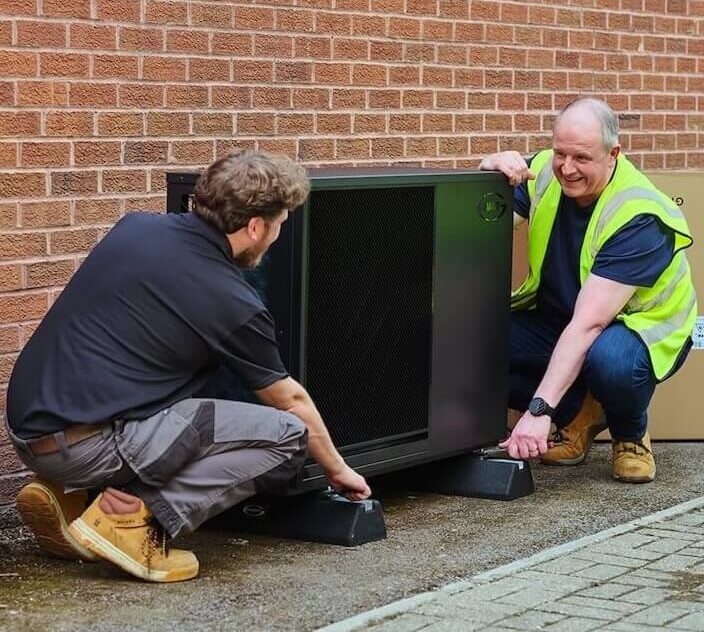
Why Berkshire Is Well Suited to Heat Pumps
Berkshire is one of the best counties in the UK for an air source heat pump. There are three reasons why:
First, the climate. Berkshire sits in the band of southern English counties that record above-average sunshine and milder average winter temperatures than the rest of the UK. These are exactly the conditions in which an air source heat pump’s seasonal performance peaks. The University of Reading’s Atmospheric Observatory has logged annual sunshine totals above 1,700 hours in recent years, and Berkshire’s coldest winter days rarely fall below −5 °C. That is well within the operating envelope of every modern heat pump.
Second, the housing stock. Berkshire is a county of two halves. Modern, well-insulated estates across Reading, Bracknell, Wokingham, Slough, and Sandhurst are typically straightforward retrofits. Period and rural homes in West Berkshire (Newbury, Hungerford, Pangbourne, Theale) and the Royal Borough of Windsor and Maidenhead, many of them off the gas grid, benefit from the new £9,000 BUS grant from July 2026 and the largest running-cost savings versus oil or LPG.
Third, the local commitment to net zero. Reading Borough Council is targeting net zero by 2030. Bracknell Forest Council is aiming for as close to 2030 as possible. West Berkshire Council also has a 2030 net-zero target and was the first council in the UK to launch a public green investment. Every kilowatt of carbon-free heat your home generates supports those goals.
Why Choose Infinity Energy Services
Berkshire homeowners choose Infinity Energy Services because we have been doing this longer, better, and at greater scale than most:
- Founded in 2011 by Daniel Hanslip; one of the longest-established renewable energy installers in the south of England
- Best Regional Installer at the Energy Efficiency Awards in 2023, 2024, and 2026
- MCS-certified for air source heat pump installations; registered to apply for the £7,500 Boiler Upgrade Scheme (or £9,000 for oil and LPG homes from July 2026) on your behalf
- Members of the RECC (Renewable Energy Consumer Code), providing enhanced consumer protection including insurance-backed deposit protection and workmanship guarantees
- 6,500+ renewable installations completed across Hampshire, Berkshire, Dorset, Wiltshire, Surrey, West Sussex, and beyond
- Whole-home capability: your heat pump integrates with our solar PV, battery storage, and EV charger installations from a single, accountable contractor
Hear from One of Our Customers
Nothing speaks louder than the experience of a real homeowner. In this short video, one of our customers shares what it’s been like living with their heat pump – from the initial decision through to day-to-day life with the system.

Interested in finding out whether a heat pump is right for your home? Book a free consultation.
Call 0800 909 8882
How Much Do Heat Pumps Cost in Berkshire in 2026?
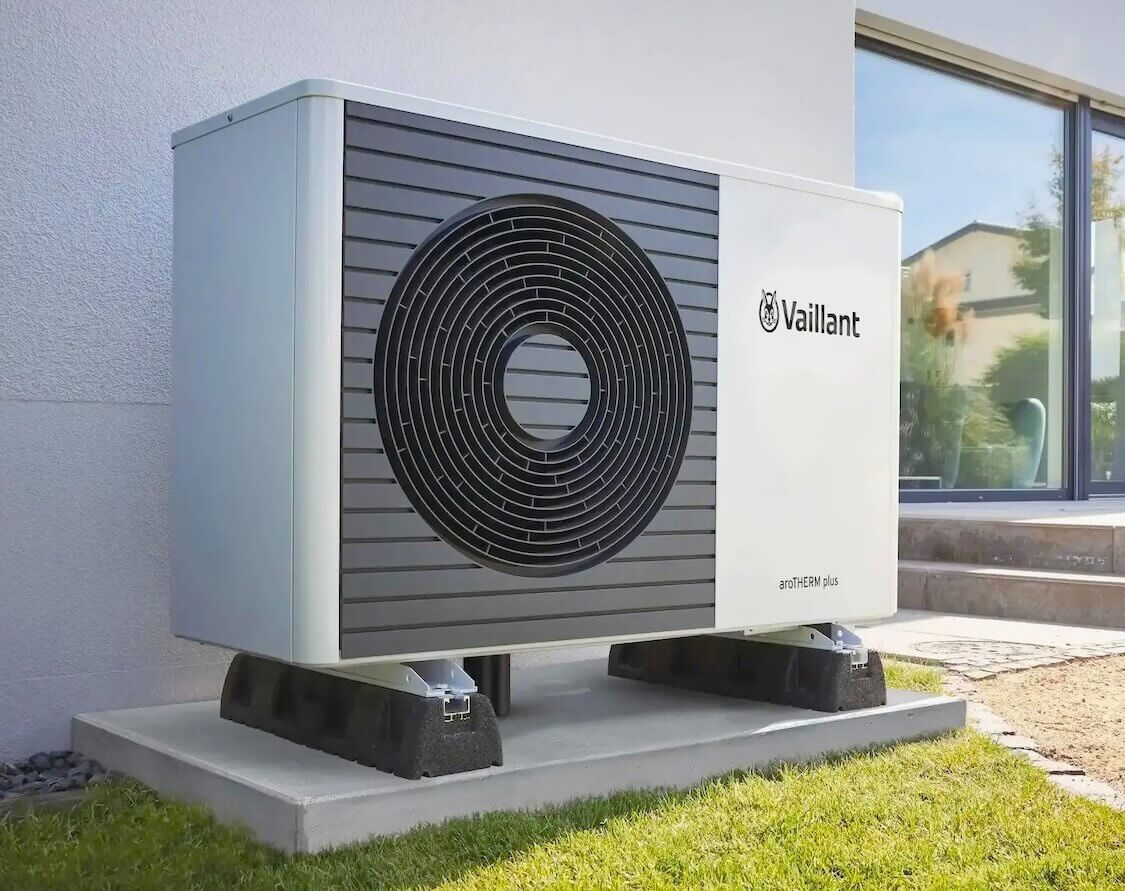
In 2026, most Berkshire homeowners pay between £2,500 and £7,500 for an air source heat pump installation, after the £7,500 Boiler Upgrade Scheme grant is applied. From July 2026, oil and LPG-heated homes will qualify for an uplifted £9,000 grant, taking the typical net cost as low as £1,000 in some cases. Headline installation costs before the grant are £10,000-£15,000 fully fitted. The grant is paid directly to us by Ofgem and deducted from your invoice.
The table below shows typical costs for the most common system sizes. Final price depends on heat-loss results, radiator and pipework upgrades, hot water cylinder specification, and whether building work (such as condensate drainage) is required. Every Infinity Energy Services quote is fixed before any work starts.
Heat pump cost vs new gas boiler
A new gas boiler typically costs £3,000-£5,000 fitted in 2026. After the £7,500 grant, an air source heat pump typically costs £3,000-£7,500, and is sometimes less than the boiler.
Add 0% VAT (in place until at least 31 March 2027) and the grant deducted directly from your invoice, and the cash gap between the two technologies has effectively closed for many Berkshire homes.
Heat pump running costs in 2026
Honest figures, using the Q2 2026 Ofgem price cap (1 April to 30 June 2026): gas at 5.74p/kWh, electricity at 24.67p/kWh, an A-rated gas boiler running at 88% efficiency, and an air source heat pump with a realistic seasonal performance factor (SCOP) of 3.0:
- Gas boiler effective heat cost: 5.74p ÷ 0.88 = 6.5p per kWh of heat delivered
- Air source heat pump at SCOP 3.0: 24.67p ÷ 3.0 = 8.2p per kWh of heat delivered
- Air source heat pump at SCOP 3.5 (achievable with good design): 24.67p ÷ 3.5 = 7.0p per kWh, which is within touching distance of gas
- Removing your gas meter saves around £105 a year in standing charges
- Pair the heat pump with solar PV and a battery and a meaningful share of your heat is generated for free
The bottom line: in a well-designed, well-insulated Berkshire home, an air source heat pump’s running costs are now broadly comparable with mains gas, and significantly cheaper than oil or LPG, where most off-grid Berkshire villages sit.
For oil-heated homes specifically, the saving is dramatic. Heating oil prices in 2026 routinely sit at 70-80p per litre, equivalent to around 7.5p per kWh of useful heat after boiler losses. Oil is also exposed to global price volatility in a way mains gas is not. A well-designed heat pump delivers heat at 7.0-8.2p per kWh on grid electricity (before any solar contribution) and removes your exposure to oil price swings entirely.
The Boiler Upgrade Scheme – £7,500 to £9,000 off your installation
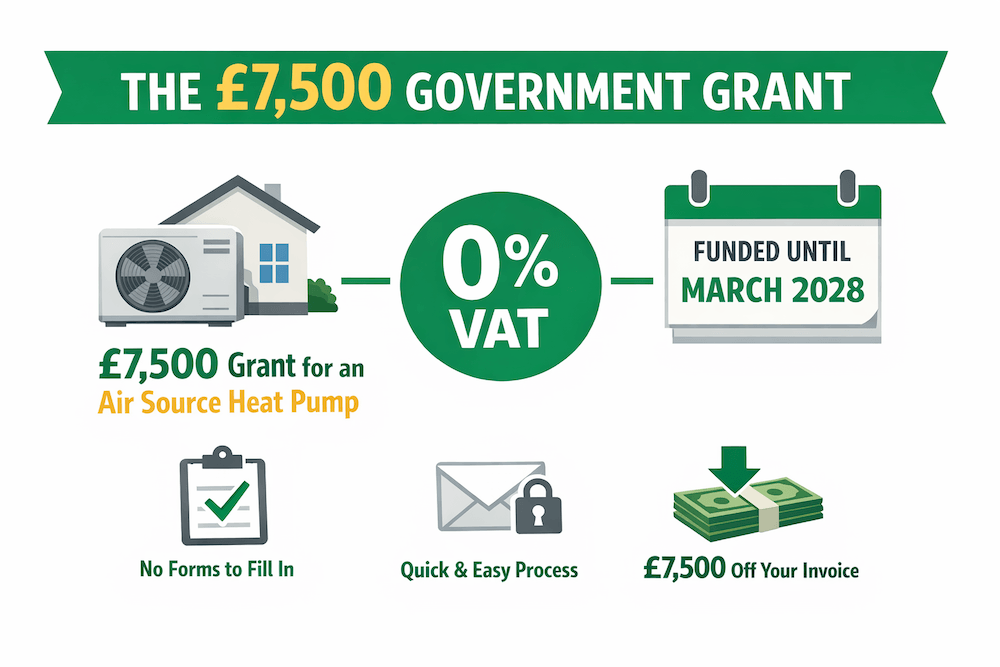
The Boiler Upgrade Scheme (BUS) is the UK government’s flagship heat pump grant in England and Wales, administered by Ofgem. It currently provides £7,500 off an air source heat pump installation.
From July 2026, this rises to £9,000 for properties currently heated by oil or LPG. That is the highest grant level in the scheme’s history.
As an MCS-certified installer, Infinity Energy Services applies for the grant on your behalf and deducts it from your invoice before you pay. There is no separate paperwork for you. The grant is paid directly to us by Ofgem.
What changed on 28 April 2026
Two significant amendments landed under the Boiler Upgrade Scheme (Amendment) Regulations 2026 (SI 2026/390):
- EPC requirement removed: you no longer need a valid EPC, or to clear outstanding insulation recommendations, before applying. This change alone has unlocked the scheme for thousands of homes that were previously blocked behind insulation surveys.
- Scheme extended to 2030: the BUS now runs until at least 31 March 2030, with a £1.5 billion budget allocated for 2026 to 2028.
These are the most material amendments to the scheme since its launch in 2022, and they reflect the government’s view that the BUS needs to scale, not slow down.
Are you eligible for the BUS?
- Property is in England or Wales (Scotland has Home Energy Scotland; Northern Ireland has separate schemes)
- You own the property (owner-occupier or landlord; small businesses also qualify)
- Your existing heating is fossil fuel (gas, oil, LPG) or direct electric (excluding existing heat pumps)
- Your installer is MCS-certified, like us
- New-build properties are not normally eligible
If you are unsure whether you qualify, we will check your eligibility as part of the survey. We deal with the application end to end.
£9,000 BUS uplift for oil and LPG homes from July 2026
On 21 April 2026, the Department for Energy Security and Net Zero (DESNZ) announced a £1,500 uplift to the BUS grant for properties currently heated by oil or LPG, taking the total grant to £9,000. The uplift is expected to open for applications in July 2026 and runs until 31 March 2027.
Berkshire homeowners are particularly well placed to benefit. West Berkshire alone contains a substantial number of off-gas-grid villages running on oil or LPG. Places like Lambourn, Hermitage, Cold Ash, Bucklebury, Yattendon, Brimpton, Chieveley, and Beedon are exactly where switching to an air source heat pump now combines the largest grant in the scheme’s history with the largest running-cost saving.
Important: until DESNZ publishes the formal grant change notice, all live applications continue at £7,500. We can start your survey now and time the application for the higher grant the moment it goes live. Speak to us before booking. There is no point applying at £7,500 in June if you can apply at £9,000 in July.
0% VAT on Heat Pump Installations
Domestic heat pump supply and installation is currently zero-rated for VAT in the UK. The 0% VAT relief is in place until at least 31 March 2027 and applies to the heat pump unit, ancillary equipment, and installation labour for residential properties. On a typical £12,500 installation, this saves the homeowner £2,500 versus the standard 20% VAT rate.
The relief stacks with the BUS grant. Both are applied before you receive your invoice, so you only ever pay the net amount.
VAT-registered farms and small businesses with installations on commercial or agricultural buildings pay standard 20% VAT, but can usually reclaim it through their VAT return. Speak to your accountant for confirmation.
Why Air Source Heat Pumps Work for Berkshire Homes
Air source heat pumps are the UK’s most installed low-carbon heating system, accounting for the overwhelming majority of all BUS-funded installations to date. They draw heat from outside air, even in cold weather, and use it to feed your existing or upgraded radiators, underfloor heating, and a hot water cylinder.
They qualify for the full £7,500 BUS grant (or £9,000 for oil and LPG homes from July 2026), 0% VAT until at least 31 March 2027, and are suitable for the vast majority of Berkshire properties. From modern estates in Reading, Slough, Bracknell, Wokingham, and Sandhurst, to well-insulated period homes in Newbury, Maidenhead, Windsor, Hungerford, and Pangbourne, an air source heat pump will work for almost any property if it is sized and designed correctly.
At Infinity Energy Services we focus on what we know best: high-quality air source heat pump installations across the south of England, designed and commissioned to deliver real-world efficiency.
Preferred brands we install
Infinity Energy Services is brand-independent. We specify the right heat pump for your property after a heat-loss survey, not before. Among our most installed models are:
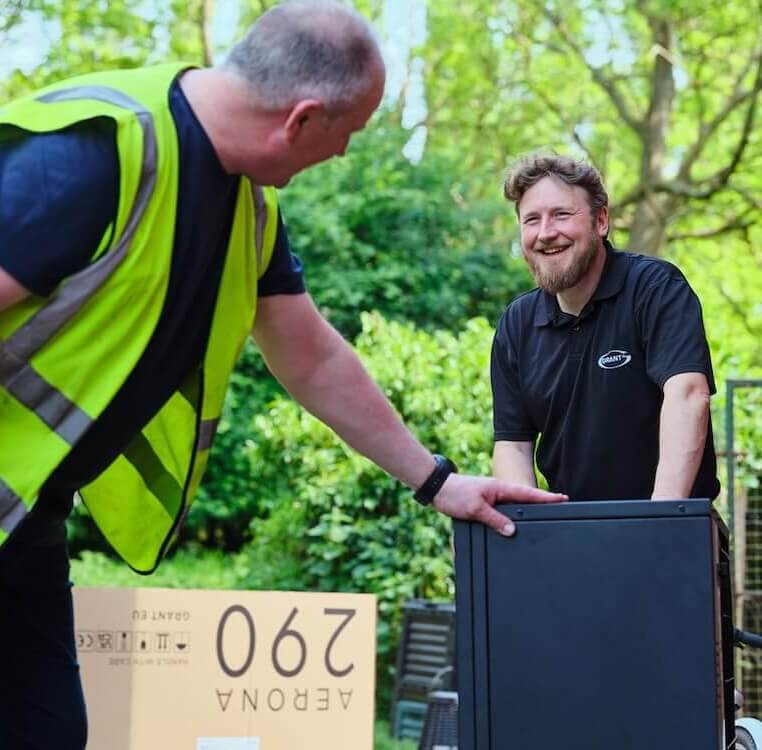
Vaillant aroTHERM plus – our premium recommendation
R290 refrigerant, market-leading flow temperatures of up to 75 °C (which often eliminates the need for radiator upgrades), and Quiet Mark accreditation for low operating noise. The aroTHERM plus is one of the highest-performing heat pumps on the UK market. Vaillant air source heat pumps are a solid choice for Berkshire homeowners.
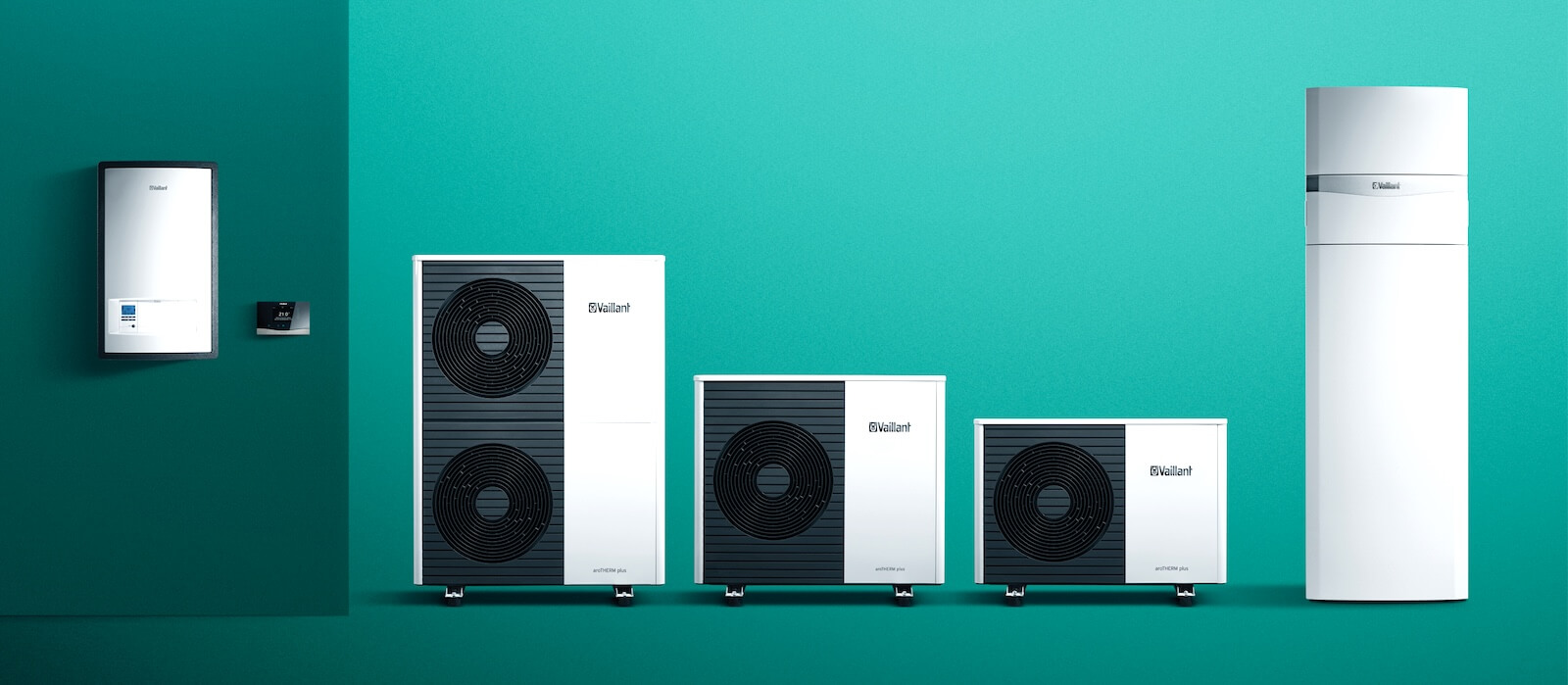
Grant Aerona 290 – our value recommendation
Also R290 refrigerant, also strong cold-weather performance, and a more accessible price point. Grant is a long-established brand particularly trusted by oil-to-heat-pump switchers.
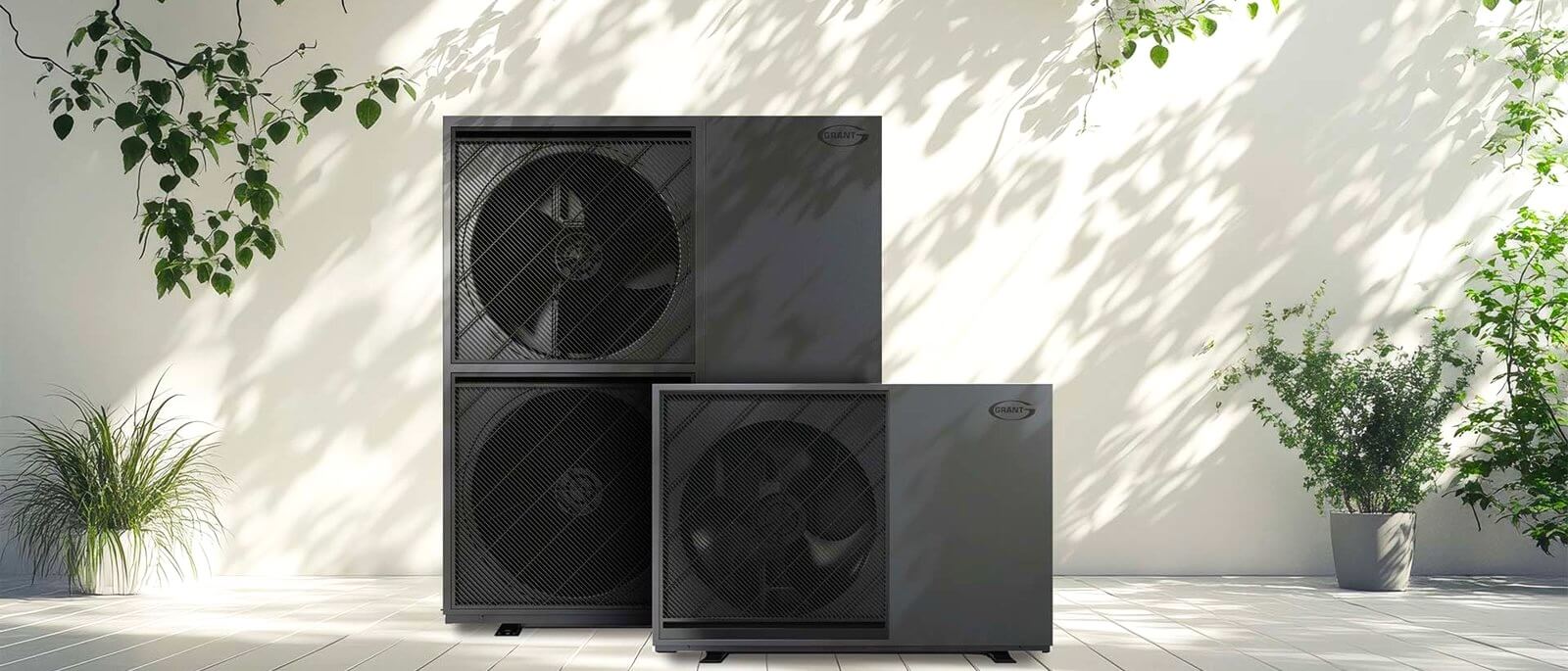
Other brands available on request, including Daikin, Mitsubishi Ecodan, Samsung, NIBE, and Midea.
Our advice is honest. If a Vaillant is overkill for your property, we will say so. If the Grant is the right choice for the budget, we will tell you. The right heat pump is the one that suits your home and gives you the lowest lifetime cost.
Planning Permission for Heat Pumps in Berkshire
In most cases an air source heat pump is classed as permitted development under Class G of the General Permitted Development Order. This means no planning application is required, provided the installation meets MCS Planning Standards (MCS 020) and the conditions below.
Following the 29 May 2025 amendment to Class G, the rules in 2026 are:
- Up to two air source heat pumps on a detached house or bungalow; one on a semi-detached, terraced, or block of flats
- Outdoor unit volume up to 1.5 m³ (0.6 m³ for flats)
- Noise must not exceed 37 dB(A) at the nearest neighbour’s habitable-room window (calculated using MCS 020)
- Cannot be installed on a pitched roof, or within 1 m of a flat-roof edge
- In a conservation area or World Heritage Site, the unit must not face a highway
- Listed buildings always require Listed Building Consent
If your property is in a conservation area, in a National Landscape, or is listed, planning is more involved. We handle the assessment as part of our survey.
Local council variations across Berkshire
Berkshire is governed by six unitary authorities. Permitted development rules are national, but local conservation areas, listed-building density, and Article 4 directions vary. Speak to the relevant council’s planning team if you are unsure. A summary of each council is below:
- Reading Borough Council covers Reading. Multiple conservation areas in the town centre and along the river; check the council’s planning portal if your property sits within a designated area.
- Slough Borough Council covers Slough. Largely urban; check for Article 4 directions in older neighbourhoods.
- Bracknell Forest Council covers Bracknell, Crowthorne, Sandhurst, and Ascot. Very heat-pump-friendly, with clear published guidance and a Certificate of Lawfulness route.
- West Berkshire Council covers Newbury, Thatcham, Hungerford, Pangbourne, Theale, and Burghfield Common. Approximately three-quarters of the district lies within the North Wessex Downs National Landscape; Newbury and Hungerford have substantial conservation areas and many listed buildings.
- Royal Borough of Windsor and Maidenhead covers Maidenhead, Windsor, Sunninghill, and Wraysbury. Heritage setting around Windsor Castle (Grade I listed, World Heritage candidate); riverside conservation areas.
- Wokingham Borough Council covers Wokingham, Woodley, and Twyford. Mix of modern estates and rural villages; standard permitted development typically applies.
Will a Heat Pump Work in My Home?
Almost any property in Berkshire can run on a heat pump if the system is correctly designed. The honest answer is that suitability is less about the property and more about the engineering. A well-sized heat pump in a partly-insulated 1930s semi can perform brilliantly. A poorly sized one in a brand-new build can disappoint. What matters most is the heat-loss survey, the choice of emitters (radiators or underfloor), and the flow temperature the system is designed to run at.
Insulation
You do not need a perfectly insulated home, and you no longer need to satisfy EPC recommendations to qualify for the BUS grant. This requirement was removed on 28 April 2026. Sensible insulation upgrades will improve performance and lower running costs:
- Loft insulation to 270 mm
- Filled cavity walls (where present)
- Draught-proofing around doors, windows, and floorboards
Period properties without cavities can still take a heat pump perfectly well. The system is sized to whatever the house’s actual heat loss is.
Radiators and underfloor heating
Heat pumps run at lower flow temperatures (35-55 °C) than gas boilers (60-80 °C).
To deliver the same comfort, larger radiator surface areas may be required in some rooms.
Our heat-loss calculation specifies, room by room, exactly which radiators (if any) need upsizing.
We design for a low flow temperature. This is the single biggest factor in real-world heat pump efficiency: every degree lower on the flow temperature improves the SCOP and reduces your running costs.
Often only two or three rooms in a typical Berkshire home need radiator changes; the rest stay as they are.
Cold-weather performance
Modern air source heat pumps continue to extract heat from outside air down to −15 °C and below. The R290 refrigerant used in the Vaillant aroTHERM plus and Grant Aerona 290 maintains efficiency at low temperatures more effectively than older R32 refrigerants. Berkshire’s coldest winter days rarely fall below −5 °C, well within the operating envelope of every system we install.
The “heat pumps don’t work in cold weather” myth comes from poorly designed early systems and from countries with much milder summers than the UK. The technology has been the standard heating system in Norwegian, Finnish, and Swedish homes for decades. If it works at −30 °C in Trondheim, it works at −4 °C in Theale.
Noise
Modern units operate at around 40-45 dB(A) at one metre, quieter than a normal conversation.
Quiet Mark-accredited units (such as the Vaillant aroTHERM plus) score even lower.
The MCS 020 noise calculation must be performed before installation to confirm the 37 dB(A) limit at the nearest neighbour’s habitable-room window is met.
We perform this calculation at survey stage and design the unit position around it.
Our Installation Process
From first enquiry to commissioning, our process is structured to remove uncertainty:
- FREE REMOTE QUOTE: Share your property details and we will provide an indicative cost within 24 hours.
- ON-SITE SURVEY AND HEAT-LOSS CALCULATION: A full MCS-compliant room-by-room heat-loss assessment, typically 60-90 minutes.
- DETAILED SYSTEM DESIGN: Heat pump model, hot water cylinder, radiator schedule, pipework route, controls strategy.
- FIXED-PRICE QUOTE: Grant and 0% VAT applied; nothing to pay upfront beyond a small deposit.
- BUS APPLICATION SUBMITTED: We handle this with Ofgem on your behalf.
- INSTALLATION: Typically 2-5 days; minimal disruption to your home.
- COMMISSIONING AND HANDOVER: Walkthrough of the controls, performance check, and a complete document pack.
- AFTERCARE: Service plans available; insurance-backed workmanship guarantee.
Total time from accepted quote to commissioned heat pump in Berkshire is typically four to six weeks, depending on the season.
Heat Pumps Work Even Better with Solar and Battery
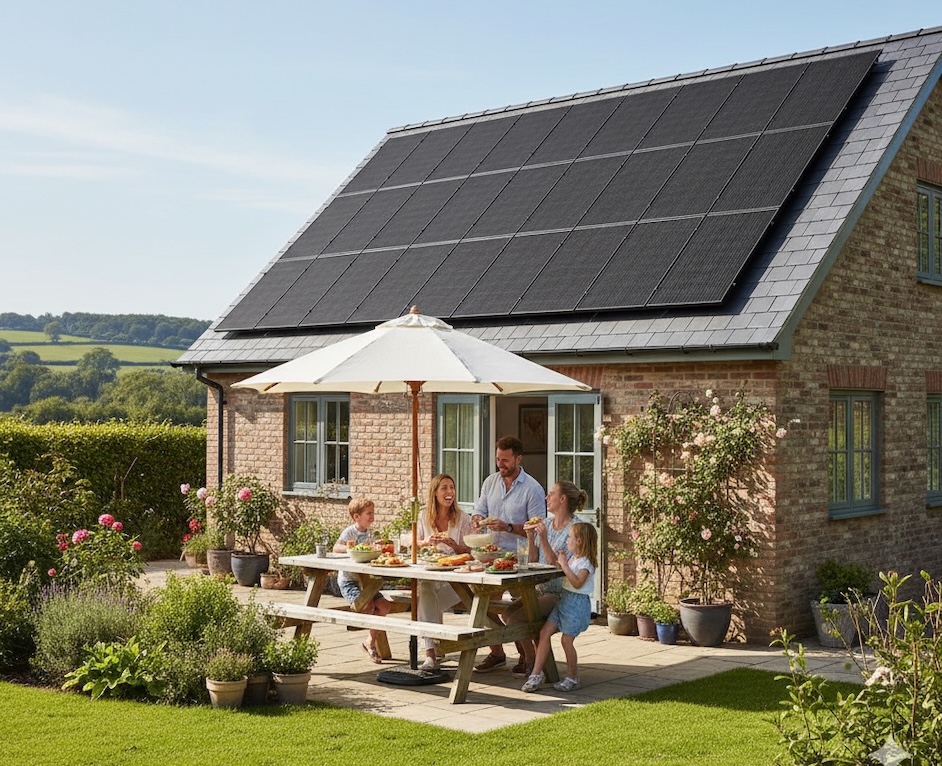
A heat pump runs on electricity. Pair it with solar panels and a battery, and a meaningful share of that electricity costs nothing.
Our whole-home approach means a single survey, a single design, and a single accountable installer for your heat pump, solar, battery, and EV charger, with co-ordinated controls so each technology amplifies the others. Solar generation reduces what you draw from the grid. Battery storage shifts cheap off-peak electricity into peak hours. Heat pump efficiency improves because the system is designed and commissioned alongside the rest of the energy fabric of the home.
For a Berkshire homeowner with a typical 4 kW solar array, a 5 kWh battery, and an air source heat pump, annual heating-electricity costs can be reduced by 30-50% compared with a heat pump on a standard tariff alone.
See our companion Berkshire pages for more detailed information about solar panels and battery storage:
May 2026 Update
- New £9,000 BUS grant for oil and LPG homes: the £1,500 uplift announced by DESNZ on 21 April 2026 is expected to open for applications in July 2026 and run until 31 March 2027; West Berkshire and other off-gas-grid areas are best placed to benefit.
- 28 April 2026 BUS rules now in force: EPC requirement scrapped; scheme extended to 31 March 2030.
- Q2 2026 Ofgem energy price cap: from 1 April to 30 June 2026, gas is 5.74p/kWh and electricity is 24.67p/kWh. The Q3 cap (effective 1 July) is announced by Ofgem in late May.
- 0% VAT confirmed until at least 31 March 2027 on residential heat pump installations.
- Spring is the ideal time to switch: install a heat pump now and you will be commissioned and tuned in well before the next heating season.
- Lead time: currently four to six weeks from survey to installation in Berkshire.
Areas We Serve in Berkshire
We install heat pumps for homeowners across the whole of Berkshire, including all of the following towns and villages:
- Reading
- Slough
- Bracknell
- Maidenhead
- Wokingham
- Newbury
- Woodley
- Windsor
- Thatcham
- Sandhurst
- Crowthorne
- Ascot
- Twyford
- Wraysbury
- Sunninghill
- Burghfield Common
Plus all the surrounding villages: Pangbourne, Hungerford, Theale, Lambourn, Bucklebury, and many more. Wherever you are in Berkshire, we cover you.
Frequently Asked Questions
In 2026, a typical air source heat pump installation in the UK costs between £10,000 and £15,000 fully fitted, before any grants. After the £7,500 Boiler Upgrade Scheme grant, most homeowners pay between £2,500 and £7,500. From July 2026, oil and LPG-heated homes will be eligible for an uplifted £9,000 grant, taking the typical net cost as low as £1,000 in some cases.
For most properties, yes. Once you factor in the £7,500 BUS grant (or £9,000 for oil and LPG homes from July 2026), 0% VAT until 2027, lower running costs versus oil or LPG, the standing-charge saving from removing your gas meter, and a typical lifespan of 20 years, a heat pump is a sound long-term investment for a Berkshire home, particularly when paired with solar and battery storage.
In most cases, no. Air source heat pumps are classed as permitted development in England under Class G, provided the installation meets MCS Planning Standards. Listed buildings always require Listed Building Consent, and conservation area installations face additional restrictions. We confirm planning status during our survey.
Yes. Modern air source heat pumps continue to operate efficiently down to −15 °C and below. They have been used as the primary heating system in Scandinavian homes for decades. Berkshire’s mild winters, rarely below −5 °C, are well within the operating envelope of every system we install.
Running costs are now broadly comparable. Using the Q2 2026 Ofgem cap (gas 5.74p/kWh, electricity 24.67p/kWh) and a realistic SCOP of 3.0-3.5, an air source heat pump delivers heat at 7.0-8.2p per kWh versus 6.5p for an A-rated gas boiler. Add solar, a battery, and the gas standing-charge saving, and a heat pump typically wins.
Most domestic air source heat pump installations take 2-5 days on site, depending on system size, radiator upgrades, and whether a hot water cylinder needs replacing. From the date you accept our quote, expect four to six weeks to first installation in Berkshire, or longer in peak periods.
Air source heat pumps typically last 15-20 years with annual servicing, longer than a typical gas boiler. The hot water cylinder is usually rated for 25 years. Premium models such as the Vaillant aroTHERM plus carry market-leading manufacturer warranties.
Sometimes. Heat pumps run at lower flow temperatures than gas boilers, so larger radiators may be needed in some rooms to deliver the same heat output. Our heat-loss calculation specifies room by room exactly which radiators (if any) need upsizing. Often only two or three rooms in a typical Berkshire home need changes.
Yes, and the savings are larger. Many West Berkshire and rural Royal Borough villages run on oil or LPG, both of which are significantly more expensive per kWh than mains gas. Replacing oil or LPG with an air source heat pump typically saves £500-£1,000 a year. From July 2026, off-gas-grid homes also qualify for a £9,000 BUS grant rather than the standard £7,500, on top of 0% VAT.
Not yet. DESNZ announced the £9,000 grant for oil and LPG homes on 21 April 2026, with applications expected to open in July 2026 and run until 31 March 2027. Until then, all live BUS applications continue at the standard £7,500 level. Speak to us now to start your survey. We will time the application for the higher grant the moment it goes live.
Get a Free Heat Pump Quote in Berkshire
If you are weighing up a heat pump for your Berkshire home, the next step is straightforward. Request a free no-obligation quote from Infinity Energy Services and we will give you an indicative cost within 24 hours, followed by a detailed on-site survey at a time that suits you.
We design every system to deliver real-world efficiency, we apply for your £7,500 BUS grant (or £9,000 from July 2026 if you are on oil or LPG) and 0% VAT relief, and we stand behind the work for years afterwards.
Call us on 0800 909 8882 or click the button below to start your project.