
Home Batteries Tipped as a Bill-Cutting ‘Gamechanger’

As Energy Costs Climb Again, Battery Storage Comes to the Rescue
published 8 June 2026
Households across the UK are once again facing the prospect of rising energy bills, and a growing number are turning to home battery storage as a way to take back control of what they pay.
With typical dual fuel bills forecast to climb towards £2,000 a year under Ofgem’s energy price cap taking effect from July, the falling cost of home batteries is being described by industry figures as a potential “gamechanger” for families looking to cut their electricity costs.
The renewed pressure on bills – driven by volatile fossil fuel markets and instability in the Middle East – marks the second time in four years that households have braced for a sharp jump in energy prices.
In response, record numbers are exploring green home upgrades such as solar panels, heat pumps and electric vehicle chargers.
Increasingly, it is the home battery that ties these investments together and unlocks the greatest savings.
Why Home Batteries Matter Now
The appeal of a home battery is straightforward: it lets a household store electricity when it is cheap and use it when it is expensive.
Rebecca Dibb-Simkin, Chief Product Officer at Octopus Energy, has said the falling cost of batteries could prove to be a gamechanger in 2026 by allowing customers to fill up when electricity is cheap and power their home when it is expensive. She added that battery prices have dropped by 90% since 2010 and continue to fall, describing this as only the beginning of what the technology can do for households and businesses across Britain.
Tom Pakenham, a Director at Hive, has made a similar point, noting that for the right home a battery can cut bills, increase flexibility and make everyday energy use smarter and more resilient. The key phrase is “the right home” – the benefits depend heavily on how a household uses electricity and which tariff it is on.
Who Benefits Most from a Home Battery?
As a general rule, the more electricity a household uses, the greater the potential savings from a battery. According to the innovation charity Nesta, homes with an electric vehicle charger or an electric heat pump stand to be among the biggest beneficiaries, although all consumers could see some benefit relative to their usual bills.
Batteries are particularly valuable to homes that generate their own electricity. A property with rooftop solar panels can charge its battery through the day, making low-cost power available in the evening when demand typically peaks. Overnight, the battery can recharge using cheap off-peak electricity, ready to provide lower-cost power again in the morning. This is why most new rooftop solar installations now include a battery as standard.
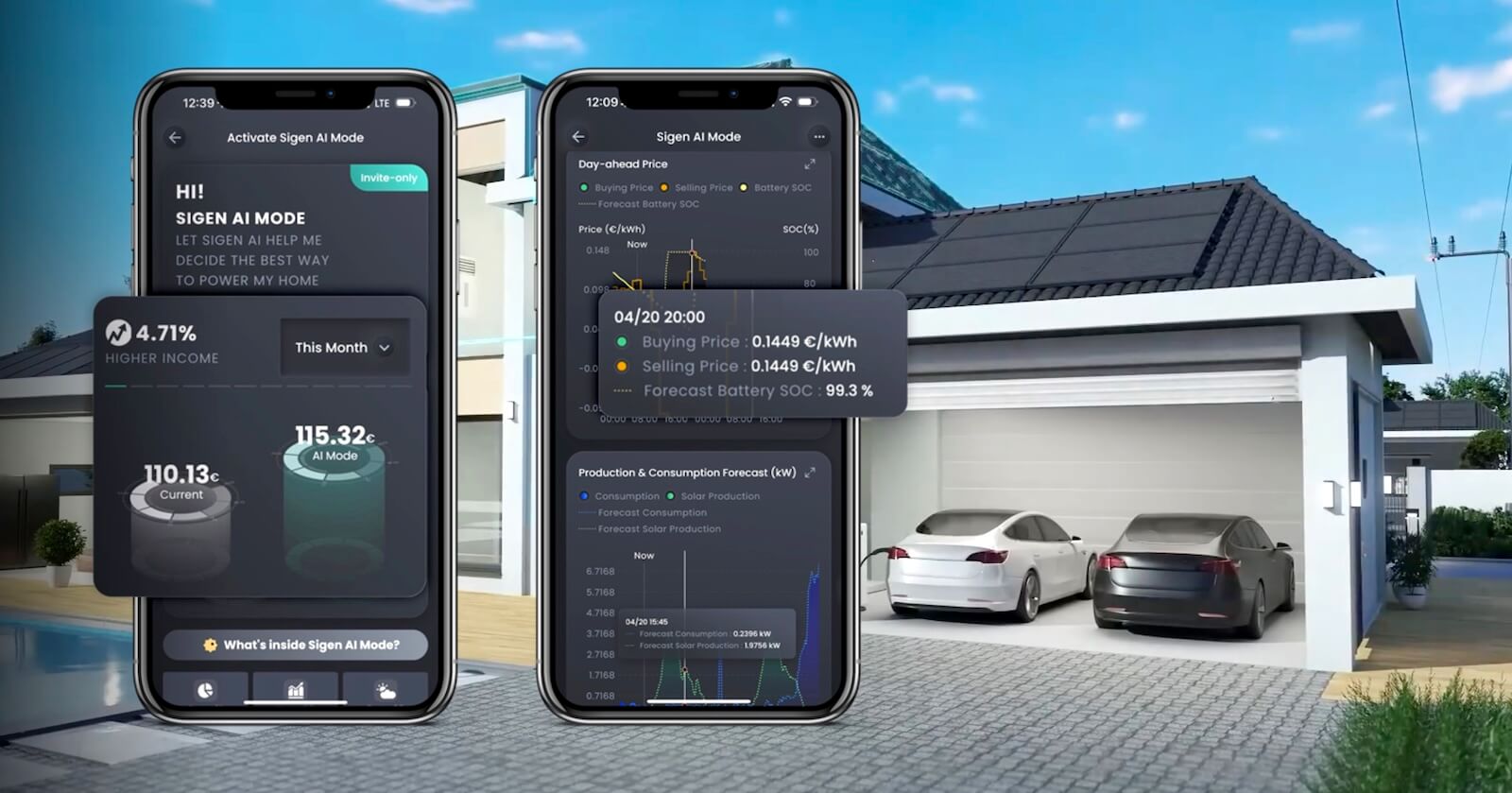
There is one important caveat. To make the most of a battery, a household needs to be on a tariff that reflects the daily fluctuations in electricity prices, rather than a conventional single-rate tariff. A smart meter is essential here, opening up access to a growing range of smart tariffs with variable rates throughout the day. Andrew Sissons, a Director at Nesta, has pointed out that consumers will also need to be prepared to manage their energy use actively, often through an app, to get the best results.
How Much Does a Home Battery Cost?
The cost of a home battery depends largely on its capacity – the larger the battery, the more it tends to cost. Over the last year, installing a 4 kWh battery cost around £5,500 on average, according to MCS, the standards body for installers. Prices are falling, however, so more competitive deals are increasingly available.
Many households now install a battery as part of a wider package alongside rooftop solar panels. Combining technologies in this way often delivers the strongest overall savings, because each part of the system supports the others.
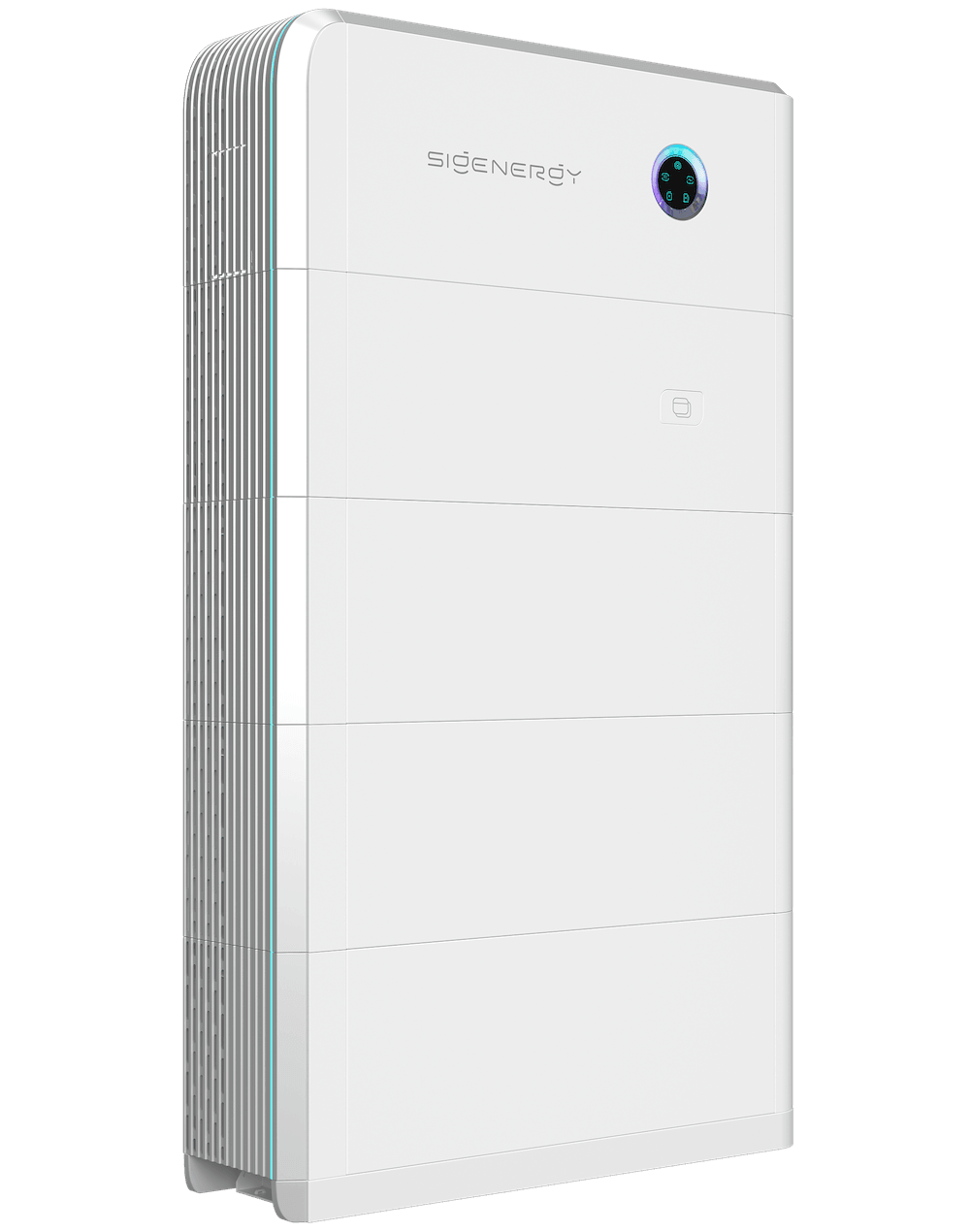
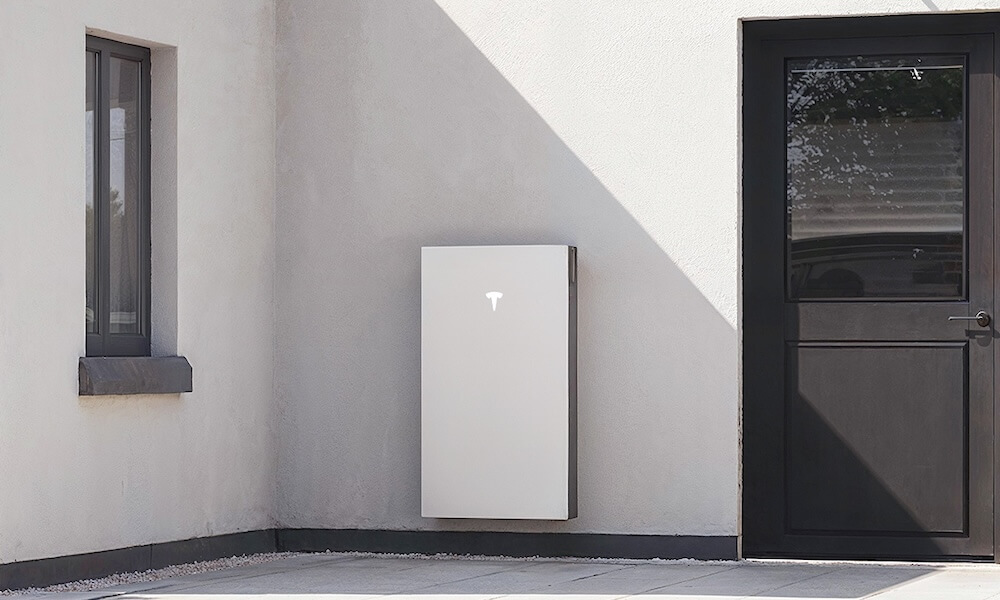
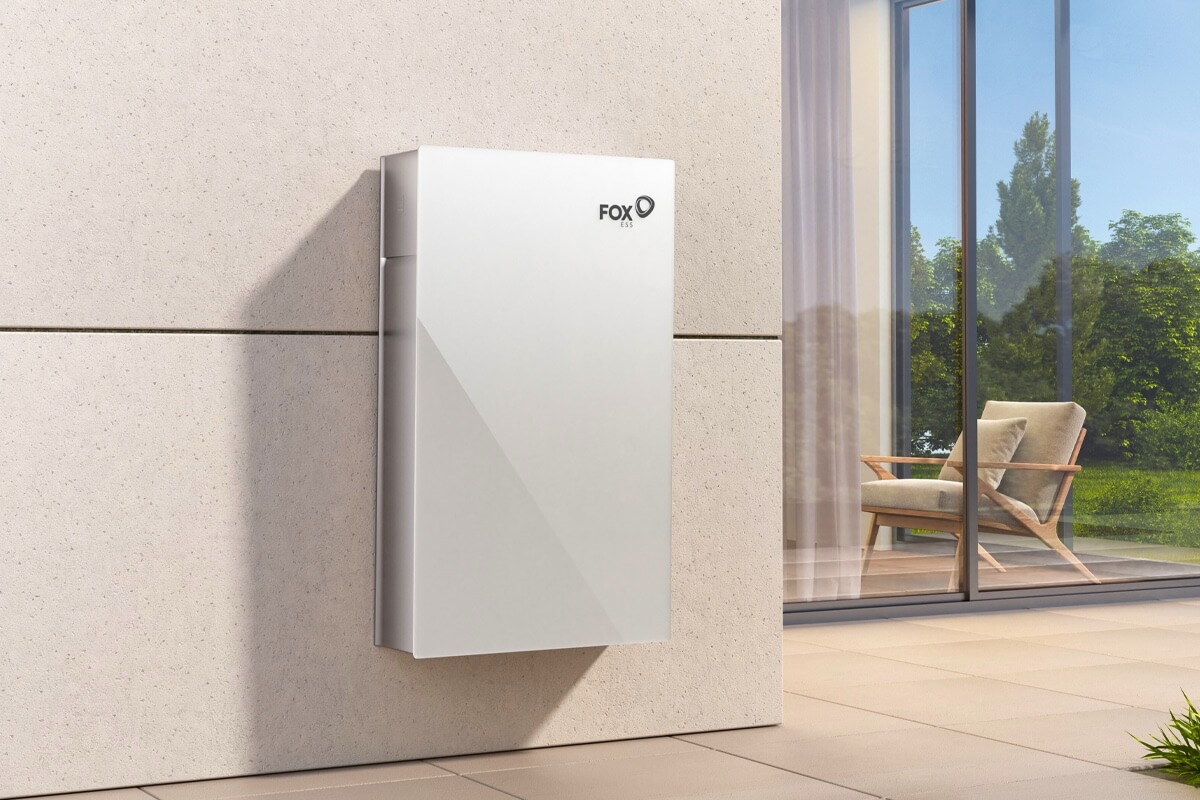
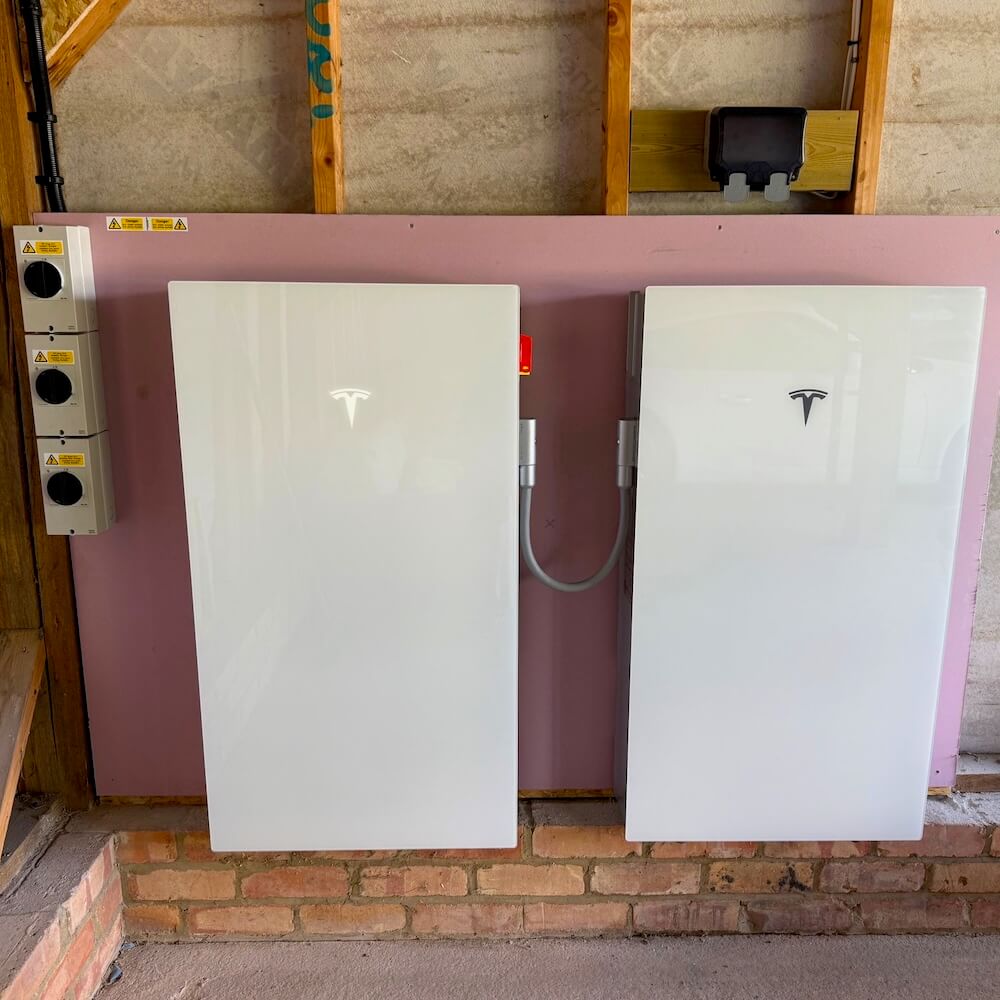
Infinity Energy Services installs all of the top battery makes and models, including Tesla Powerwall, Sigenergy SigenStor, and the Fox battery range.
So How Much Could You Save?
Savings vary widely from home to home, depending on electricity use, tariff, and whether solar panels are part of the picture. In some scenarios, the savings can be substantial. The Guardian cites the example of a typical home in Milton Keynes with a 5 kWh battery and a 4 kW solar array on a south-facing roof, which could earn around £300 a year by exporting unused electricity to the grid and save a further £458 or so by avoiding peak-time costs – a combined benefit approaching £760 on a medium electricity bill.
Rather than thinking purely in terms of a payback period, we encourage homeowners to view a solar and battery system as a long-term investment in lower, more predictable bills and greater energy independence. The return on that investment improves as electricity prices rise and as battery costs continue to fall.
If you are considering getting battery storage – either to retrofit to an existing solar panel system or to buy at the same time as a new solar panel array – try our handy Battery Sizing Calculator to see what capacity might make sense for your situation.
Space, Safety and Installation
Space is rarely a barrier. Smaller batteries can be little larger than a slim carry-on suitcase and mounted flat against a wall, while a typical 6 kWh to 8 kWh unit is roughly the size of a taller, slimmer washing machine.
On safety, home batteries are generally very safe. Unlike the batteries in phones and laptops, modern home batteries are typically built using lithium iron phosphate, a chemistry specifically designed to remain stable even if damaged. As the Energy Saving Trust notes, when installed correctly these systems are considered safe, and thousands are already in use across the UK.
The crucial point is proper installation: homeowners should always seek professional advice and use a trusted, accredited installer like Infinity Energy Services.
What’s on the Horizon?
The home battery market is evolving quickly. “Plug-in” batteries that connect directly to the mains could remove the need for installation altogether and bring storage within reach of those in rented homes. These smaller 1 kWh to 2 kWh units may in time be paired with plug-in solar panels, which have recently won government backing. However, these newer, plug-in technologies are not yet proven in the UK and require further professional analysis.
Electric vehicles are set to play a growing role too. “Vehicle to grid” tariffs, though very rare, already allow drivers to charge when electricity is cheap and sell power back when prices are high, while “vehicle to home” charging – now being trialled in the UK – could eventually let an electric car power the home directly through bidirectional charging.

Our View at Infinity Energy Services
As a Hampshire-based MCS-certified installer, we have seen first-hand how the right combination of solar panels, battery storage, and a smart tariff can transform a household’s energy bills across southern England. With prices rising again, interest from homeowners has never been higher.
Daniel Hanslip, Managing Director of Infinity Energy Services, said: “The biggest shift we’ve seen is in how homeowners think about energy. It’s no longer just about who supplies your power, but when you use it. A properly specified battery, paired with solar panels and the right smart tariff, gives households real control over their bills – storing cheap energy and avoiding the most expensive peak periods. As battery costs keep falling and electricity prices climb, the case for storage has never been stronger, but the difference between a good outcome and a poor one almost always comes down to a well-designed system and a quality installation.”
Next Steps
If you would like to understand how a solar and battery system could work for your home, our team would be glad to talk through your options. You can reach us on 0800 909 8882 or click the button below.