
0% VAT on Solar Panels, Batteries and Heat Pumps Ends on 31 March 2027

published 2 November 2026 | updated 5 November 2026
Since 2022 there has been no VAT to pay on a home solar, battery or heat pump installation. That ends on 31 March 2027.
From 1 April 2027, VAT on these installations goes back to 5%. On a typical system, that’s several hundred pounds.
We’ll explain what’s changing, what it’s worth to you, which products are covered, and why the deadline matters most if you’re thinking about a heat pump.
The short version: if you want to install before the change, the time to plan is this winter, not next spring.

What is changing on 1 April 2027?
In April 2022 the government cut VAT on the installation of ‘energy-saving materials’ in homes to 0%. The idea was to get more solar panels, batteries and heat pumps fitted while energy prices were high.
It was always a temporary measure. HMRC’s guidance (VAT Notice 708/6) says the zero rate “applies to the installation of certain specified energy-saving materials from 1 May 2023 to 31 March 2027”, and that “from 1 April 2027 onwards these will revert to the reduced rate of VAT of 5%”.
So the rate doesn’t jump to the full 20%. It goes to 5%. But on the kind of sums involved, 5% is still a real amount of money.
What’s covered
The zero rate applies to the supply and installation, in a home, of:
- Solar panels
- Home batteries – whether installed with solar panels or added to an existing system (batteries were added to the list in February 2024)
- Air source heat pumps and ground source heat pumps
- Insulation, draught-proofing and some heating controls
Infinity’s air-to-air heat pump systems – the units most people call air conditioning – are covered as well. HMRC’s notice says its “understanding is that most air conditioning units are air source heat pumps”, as long as they are fixed rather than portable.
What isn’t
EV chargers have never been on the list, so nothing changes there. Repairs and servicing aren’t covered either. And the relief is for residential properties; business installations have their own rules.
Please note: the zero rate applies to the whole job – equipment and labour – when one installer supplies and fits it. If you buy the kit yourself and fit it, or get someone else to, you pay the normal rate on the equipment.
What is 5% VAT worth on a typical installation?
Here’s what the change means in pounds, using our current starting prices. The figures are the extra you’d pay for the same system after 1 April 2027, and more on larger systems.
- 4 kWp solar panel system from £5,000: an extra £250
- A typical solar panel and battery system at about £10,000: an extra £500
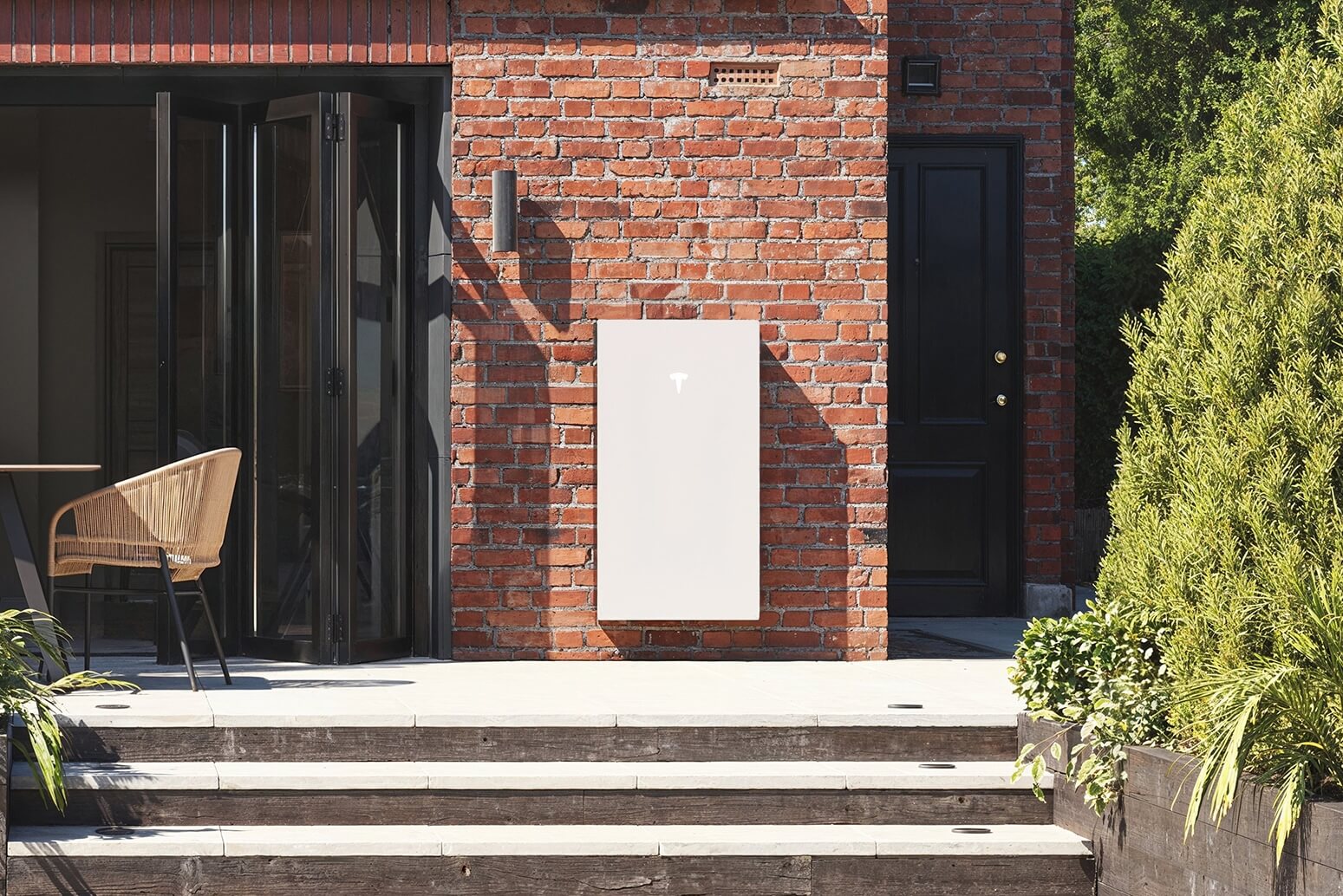
- Tesla Powerwall 3 from £7,000 installed: an extra £350
- Air source heat pump at about £12,500-£15,500 before the grant (£5,000-£8,000 after it): an extra £625-£775
Those are not life-changing numbers on their own. Nobody should rush into a £12,000 purchase to save £600. But if you were planning to install anyway in the next year or so, the difference between a winter installation and a summer one is a few hundred pounds in your pocket.
Important: prices depend on your home, your roof and the equipment you choose. Our solar savings calculator, battery storage calculator and heat pump savings calculator will give you a personalised estimate in a couple of minutes, and a free survey gives you a fixed price.
Wondering which grants and incentives you are eligible for?
Select your location to discover what support you are entitled to for home energy technologies.
Covers the UK · Free to use · No obligation
Two deadlines on the same day for heat pumps
If you heat your home with oil or LPG, 31 March 2027 matters twice over.
The Boiler Upgrade Scheme gives £7,500 off an air source heat pump as standard. Since July 2026, homes with no mains gas connection that are heated by oil or LPG get £9,000, and that higher rate runs until 31 March 2027. After that, it’s due to drop back to £7,500.
Put the two together and an oil-heated home installing a £13,000 heat pump in February pays about £4,000. The same job in May pays £5,500 after the standard grant, plus £650 in VAT: about £6,150, or over £2,000 more.
We looked at the running costs of oil against a heat pump in our recent article on heating oil prices doubling. With oil at well over £1 a litre, the savings case was already strong. The two deadlines just add a reason not to put it off.
Please note: the £9,000 rate is for homes heated by oil or LPG with no mains gas connection. Homes on mains gas get the standard £7,500, which has no end date announced. We apply for the grant for you as part of the installation.

Does the work have to be finished by 31 March?
Yes, in practice. The zero rate applies to the installation, so the job needs to be completed and invoiced before 1 April 2027. Ordering in March and installing in April won’t do it.
That’s why the timing matters. A solar or battery installation usually takes a few weeks from survey to switch-on, and a heat pump a few weeks longer, because it needs a heat loss survey, a design and a grant application before any work starts. Add the spring rush – and there will be one, as the deadline gets closer – and anyone who wants to be sure of beating it should be talking to an installer over the next two or three months.
There’s a quieter advantage to a winter installation, too. Surveyors and installers have more availability now than they will in March, and you’ll have the system working for you through the most expensive months of the year.
If you’ve already paid a deposit, or you’re planning to pay in stages, ask us how that affects the VAT on your job. The rules on when VAT is charged can depend on when payments are made, and we’d rather tell you exactly where you stand than have you find out later.
Could the government extend it?
Possibly. Governments do extend tax reliefs, sometimes at the last minute, and the solar and heat pump industries will certainly ask for this one to continue.
But nothing has been announced. HMRC’s guidance still gives 31 March 2027 as the end date, and the Autumn Budget on 28 October 2026 left it in place. Planning on the basis of an extension that may never come is a gamble, and the cost of losing it is yours.
Our advice is simple: if the 0% rate is a factor in your decision, treat 31 March 2027 as real.
Two other things worth knowing
There’s no VAT on your electricity bill either
Since 1 October 2026, the government has removed VAT from household electricity bills (GOV.UK). That takes 5% off every unit you buy and off the standing charge. For a heat pump or a battery charged overnight on a cheap tariff, it makes the running-cost sums a little better again. Our smart tariff finder will show you which tariffs suit your home.
What about the Warm Homes Loan Scheme?
On 27 October 2026 the government launched the Warm Homes Loan Scheme, which offers loans of up to £15,000 for solar panels or a battery and up to £20,000 for a heat pump. Interest rates and terms vary between lenders, so it’s worth comparing the total cost of a loan with paying for your system outright, which avoids interest altogether. Whichever you choose, the 0% VAT rate still ends on 31 March 2027, so waiting could add 5% to the cost of your installation.
Our view at Infinity Energy Services
A tax deadline is a reason to plan, not a reason to panic.
If your roof isn’t suitable for solar, or your home isn’t ready for a heat pump, saving 5% doesn’t change that. And a system that’s wrong for your home is a poor deal at any VAT rate. We’ll tell you if we think you should wait.
But most of the people who contact us have been thinking about it for a while. If that’s you, the next five months are the cheapest time to act that we can see coming. The VAT is 0% and the heat pump grant is at its highest ever for oil and LPG homes. We don’t expect both to line up again.
We install solar panels, battery storage, air source heat pumps and air conditioning across Hampshire, Dorset, Wiltshire, Berkshire, Surrey and West Sussex. We’re MCS-certified for solar, batteries and heat pumps, a Tesla Powerwall Premium Installer and a SunPower Elite Partner. If you’re in Hampshire, see our page on heat pump installers in Hampshire.
Get in touch
If you’d like your installation done before 1 April 2027, the first step is a free survey. We’ll give you a fixed price, confirm what you qualify for and tell you honestly how the timing looks.
We have been in business since 2011, and we’re members of the independent RECC Assurance Scheme.
Contact us to book a free survey, or call us on 0800 909 8882.