Plug-In Solar Panels:
Why Safety Must Come First

Industry bodies warn against a rushed rollout while proven rooftop solar remains available now
published 26 June 2026
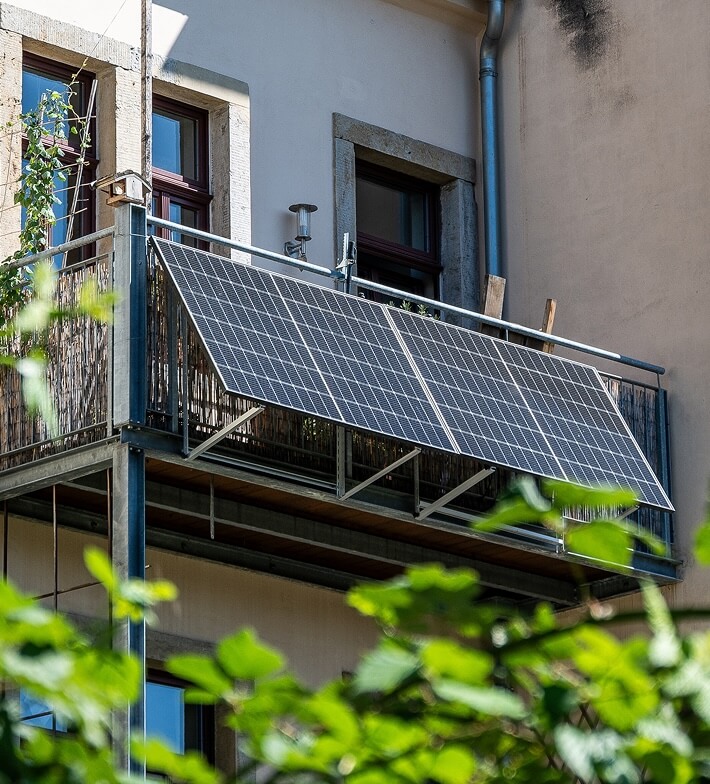
Plug-in solar panels have become one of the most talked-about renewable energy products of 2026. The idea is simple: small solar panels, often designed for balconies, gardens or other outdoor spaces, that can feed electricity into a home through a standard mains socket.
The Government announced in March that it wanted plug-in solar panels to be available in shops “within months”, describing them as a way for more households to generate clean power and reduce energy bills. It has since launched a consultation on proposed changes to the Plugs and Sockets etc. (Safety) Regulations 1994, with the aim of allowing plug-in solar systems without batteries to connect directly to a standard mains socket, provided defined safety requirements are met.
At Infinity Energy Services, we support innovation that helps more homes access clean, affordable energy. But when a product is designed to connect to a property’s electrical installation, safety cannot be an afterthought.
Electrical industry bodies urge caution
A joint statement from the Electrical Contractors’ Association, Electrical Safety First, the Institution of Engineering and Technology, NICEIC and SELECT has warned that plug-in solar PV units should only enter the mass market once the necessary safety, regulatory, technical and product assurance framework is fully in place. Their message is clear: “public safety must be the first principle”.
E&T Magazine, published by the IET, has also reported on the warning, noting that the industry intervention followed the Government’s push to accelerate access to plug-in solar products as part of its wider clean energy plans.
The concern is not about solar power itself. Solar PV is a proven renewable technology. The concern is about the specific way plug-in products would interact with millions of existing UK electrical installations, many of which were never designed or assessed for this type of power flow.
Why plug-in solar is different from a normal appliance
A plug-in solar unit is not like plugging in a kettle, phone charger or TV. Those appliances consume electricity. A plug-in solar panel generates electricity and feeds it back into the home’s wiring.
The joint industry statement highlights several issues that need to be resolved before widespread adoption, including bi-directional power flow, the potential effect on RCDs and RCBOs, fire risk in older homes, inconsistent product standards, DNO visibility, insurance questions and the danger of improvised installations using extension leads or multiple devices.
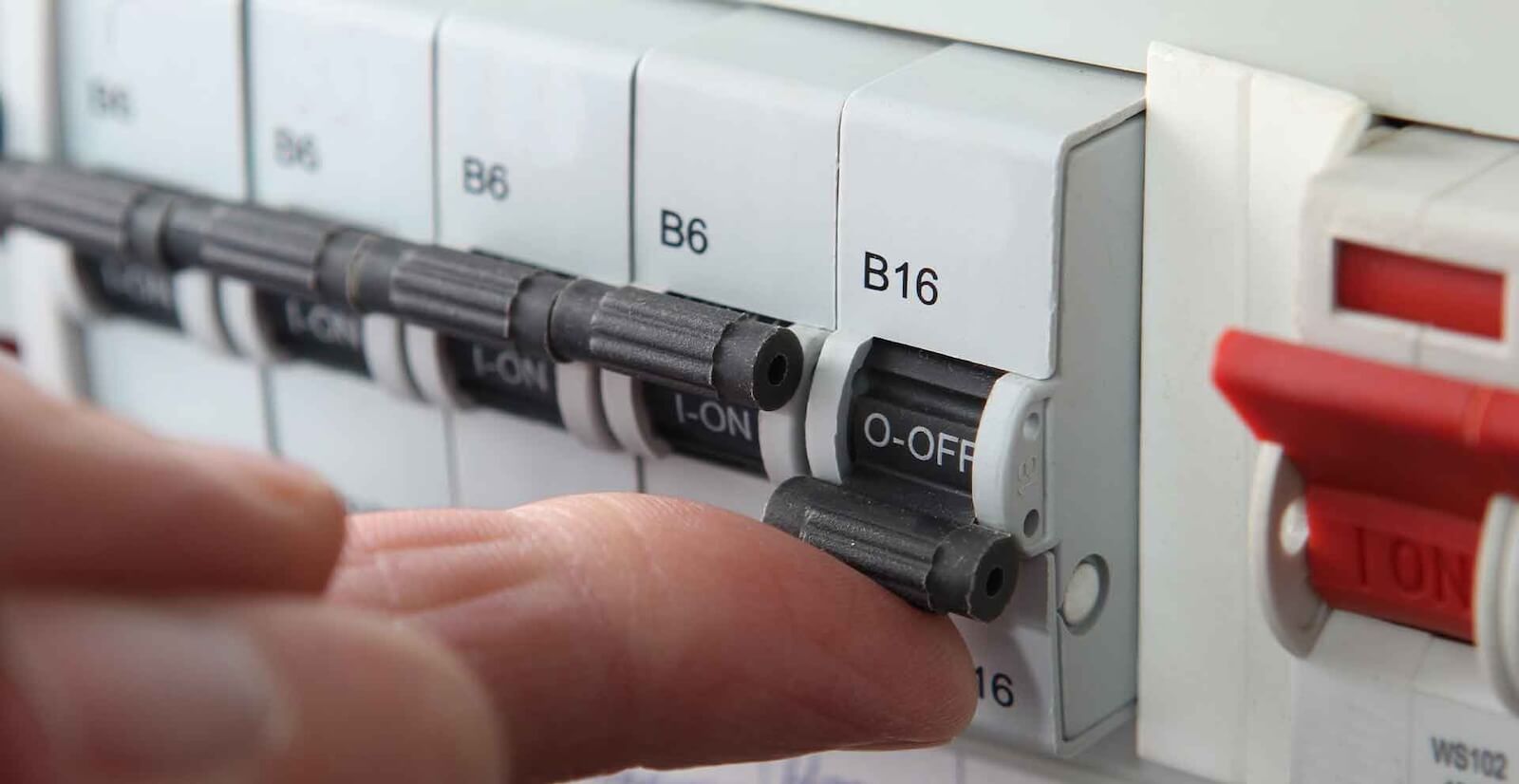
Electrical Safety First has separately warned that plug-in solar panels feed electricity into a property’s wiring in a way it was not originally designed to accommodate, and that in some cases this may make protective devices such as RCDs less effective.
That is why the right framework matters. A low-cost product can be appealing, but affordability alone is not enough when electrical safety, household insurance, product quality and grid resilience are involved.
The market should wait until the safety framework is complete
The Government’s consultation acknowledges that regulation needs to change before these products can be safely and legally used at scale in the UK. It proposes an interim product specification so that only safe and compliant products can be placed on the UK market while longer-term standards are developed.
That is the right direction of travel, but it also underlines the point: the safety framework is still being developed.
The industry bodies have said plug-in solar PV units should not be rolled out until there are clear product standards, robust enforcement, competent installation pathways, appropriate consumer guidance and a mechanism to protect both householders and the electricity distribution network.
In other words, the technology may well have a future, but it should only be released widely when it is properly tested, properly regulated and demonstrably safe for real UK homes.
Traditional rooftop solar is available now
For homeowners who want to generate their own clean electricity today, traditional rooftop solar panels remain the tried-and-tested option.
A professionally designed solar PV system is very different from an off-the-shelf plug-in product. It is surveyed, designed around the property, installed by qualified professionals and connected through the appropriate equipment. The joint statement itself notes that rooftop solar PV has a dedicated connection through an inverter, which converts DC electricity from the panels into AC electricity used in the home and exported to the grid.
There is also an established process for notifying the local Distribution Network Operator. Government guidance says solar PV, battery storage, heat pumps and EV charge points must be registered with the DNO, with installers following the relevant G98 or G99 route depending on the connection.
That existing process is important because it helps ensure the system is suitable for the property, properly documented and visible to the electricity network.

Why choose a certified solar installation?
Infinity Energy Services has successfully designed and installed thousands of solar PV and battery systems across the South since 2011. We are MCS-approved for solar panel installation, members of the independent RECC Assurance Scheme, and our team designs every system around the individual property rather than using an off-the-shelf approach.
A professional solar installation can help homeowners generate their own electricity, reduce reliance on grid energy, earn from surplus export through the Smart Export Guarantee and add battery storage for even greater control over energy use.
Plug-in solar may become a useful addition to the UK renewable energy market in time. But until the necessary safety standards, product testing, consumer guidance and regulatory safeguards are fully in place, the safest route for homeowners is still a professionally installed solar PV system.
Our view
The energy transition must be practical, affordable and accessible. But it must also be safe.
Plug-in solar panels should not be rushed into the market simply because they sound convenient. They should only be made widely available when the evidence, regulation and product standards are strong enough to protect homeowners, installers, insurers, network operators and public confidence in renewable energy.
For households ready to cut their electricity bills now, traditional solar panels are already here, already proven and already being installed safely across the UK.
Thinking about solar panels for your home?
Request a no-obligation, bespoke solar panel quote from Infinity Energy Services and get expert advice on a safe, certified system designed around your property.