
Warm Homes Plan: What It Means for
Solar, Batteries and Heat Pumps

Many Households Shouldn’t Wait to Install – Here’s Why
published 21 January 2026
The UK Government has today published its Warm Homes Plan, setting out a major package of support and standards designed to accelerate home upgrades and cut energy bills over the coming years.
For homeowners considering solar panels, battery storage and heat pumps, the direction of travel is clear.
The plan positions these technologies as central to a future where homes run on cleaner electricity and households are less exposed to volatile gas prices.
For Infinity Energy Services – and for the homeowners we serve across the UK – the most important question is simple:
Should you install now, or wait for new government-backed loans?
Below is our practical take on what the plan says, what it does not yet confirm, and how to make a sensible decision in 2026 and beyond.
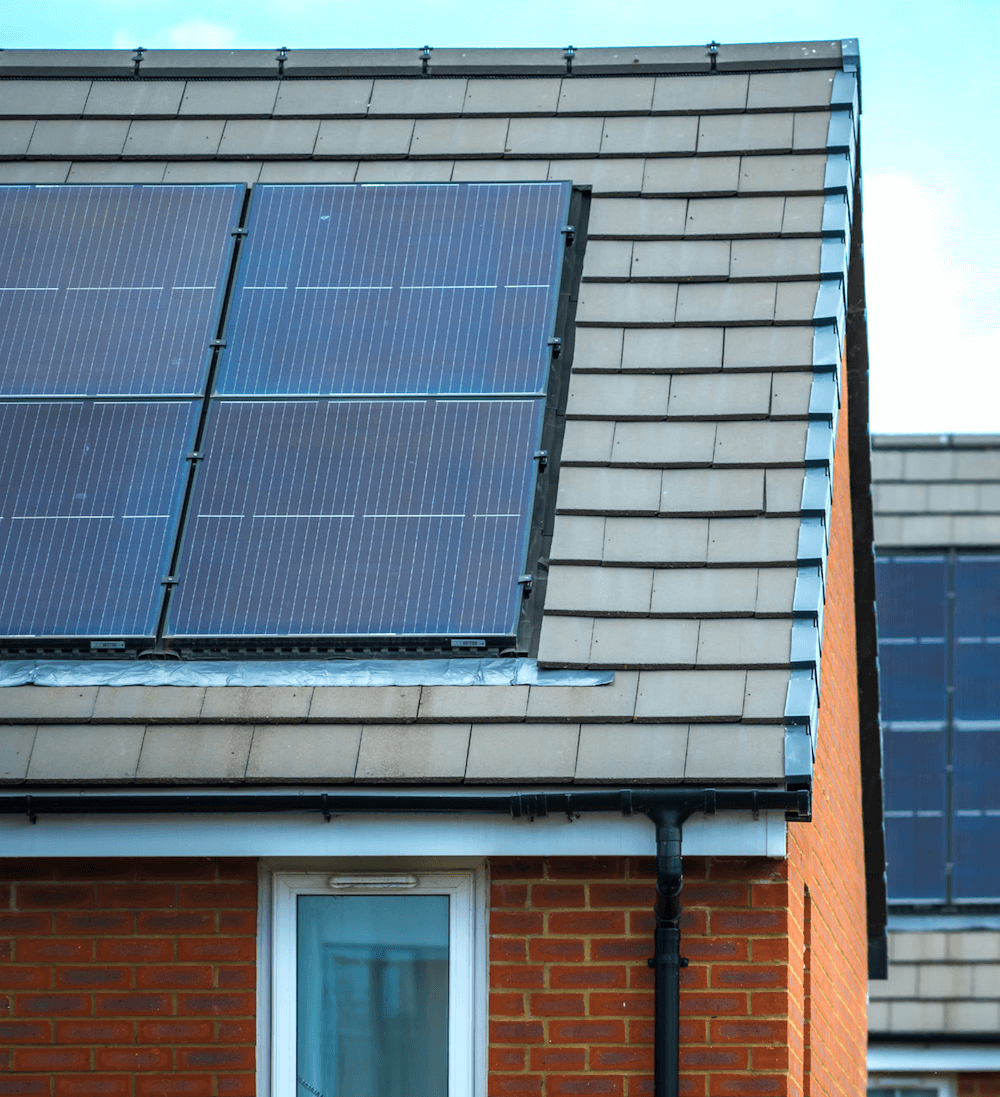
What the Warm Homes Plan Signals for 2026 and Beyond
The plan describes a “historic” £15 billion public investment in home upgrades, including funding for low-income schemes, the Boiler Upgrade Scheme (BUS), and consumer loans.
It also includes ambitions such as putting solar on up to 3 million homes by 2030 and growing the heat pump market to over 450,000 installations a year by 2030.
It is also explicit that electricity bills should fall – with the plan stating that an average of £150 of costs will be taken off energy bills from April 2026.
For customers, this all reinforces a simple message: the UK is actively moving towards electrified homes where technologies like solar PV, home batteries and heat pumps become mainstream.
Consumer Loans: What We Know So Far
The plan sets out an intention to support new low- and zero-interest consumer loans to help households with the upfront costs of improving their homes.
The key points, as written in the document:
- It intends to allocate up to £1.7 billion of a facility to new low- and zero-interest consumer loans.
- This would be combined with up to £300 million of other government funding to lower the cost of loans for consumers.
- It also says the scheme is aiming to roll out in phases, expanding over time, and that further details of eligibility will be set out later this year.
- The document also references £2 billion in low-interest loans as part of a “universal offer” alongside grants.
When will these loans be available?
The plan does not provide a firm date when consumers will be able to apply. It describes a phased rollout, with eligibility details to follow.
So, if you are considering delaying an installation purely to access these loans, it is worth recognising that timing is not yet confirmed in the document.
Will all consumers get 0% loans?
The plan uses both “low-interest” and “zero-interest” language, but it does not spell out who gets what, or whether zero-interest options will be universally available regardless of income.
In plain terms: the plan does not yet confirm whether all households will be offered interest-free loans, or whether most homes will typically be offered a low-interest rate instead.
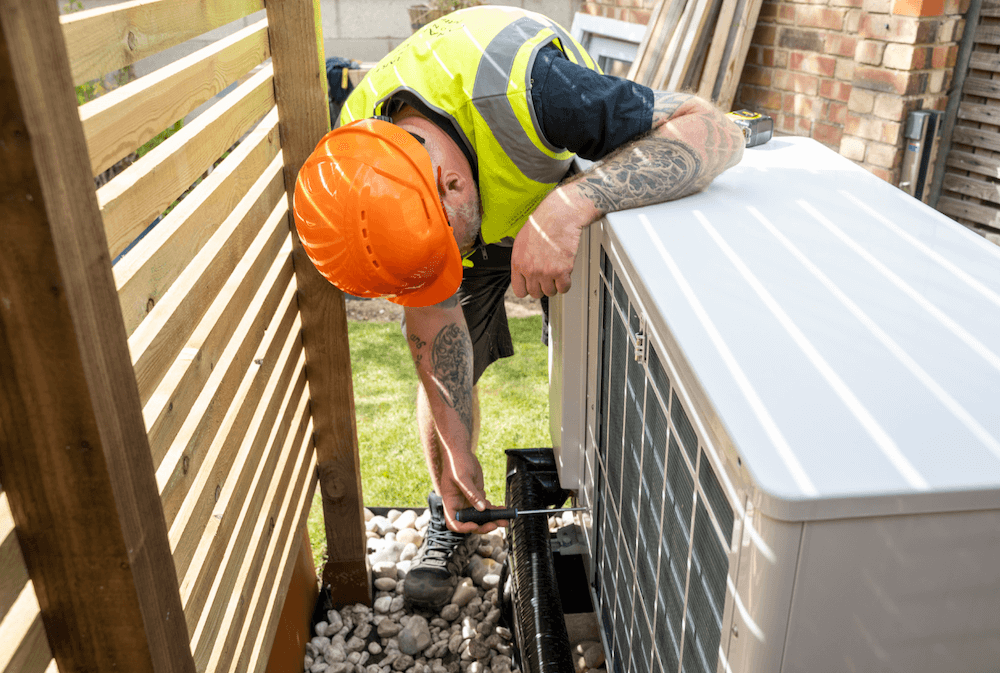
Will the Plan Cause People to Delay Installing Solar, Batteries or Heat Pumps?
Some households may choose to wait, particularly if headlines focus on “government-backed loans” without highlighting that the scheme is still being finalised and will roll out in phases.
However, we do not believe most homeowners benefit from pausing their plans indefinitely, because:
The plan does not confirm a launch date for loans.
The Warm Homes Plan does confirm savings and policy support that start sooner, including the April 2026 electricity bill reduction and the continuation of 0% VAT for eligible technologies until 31 March 2027.
And crucially, solar, batteries and heat pumps start reducing bills as soon as they are installed and commissioned.
A Sensible Approach You Can Act On
If you are weighing up whether to act now or wait, these are the most practical, evidence-aligned arguments homeowners should consider.
1) Don’t wait for finance details that aren’t published yet
The Warm Homes Plan indicates loans will roll out in phases and that eligibility details will be set out later. That means you will be waiting on unknowns: when the scheme opens, what you qualify for, and what rate you are offered.
If your goal is lower bills and better energy independence, delaying an installation until a scheme is fully defined can mean months – or longer – of missed savings.
2) You start saving as soon as the system is switched on
Solar panels and batteries are not like a voucher you redeem in the future. They reduce imported energy immediately.
Even if future loans are attractive, savings you could have made this year do not get backdated.
3) 0% VAT is already here – and it has a deadline
The plan states that the temporary zero rate of VAT for certain energy-saving materials will continue until 31 March 2027. Eligible technologies include solar panels and storage batteries, as well as heat pumps.
That is a confirmed, time-limited benefit available now. Waiting does not improve that VAT position – it only risks compressing your timeline into a busier market closer to the deadline.
4) The market is being geared up – queues can follow
The plan sets out ambitions to scale installation volumes and simplify delivery. In practice, when policy support strengthens and public awareness rises, demand can increase.
If more homeowners decide to act at the same time, installation lead times can lengthen and prices can rise. Acting earlier can mean more choice, cheaper systems, and less scheduling pressure.
A Financial Argument for “Install Now”
A simple way to look at the “wait vs install” question is to compare:
‘The value of savings you miss by waiting’ vs. ‘The value of any future benefit you might get from waiting (such as a lower loan rate or improved subsidy)’
The core maths is straightforward:
If a system saves S per year on bills, delaying by m months costs roughly:
Lost savings = S × (m / 12)
A worked example using the plan’s own illustration:
The Warm Homes Plan includes modelling examples. One example states that an owner-occupier three-bedroom mid-terraced home that gets solar panels and a battery could save £450 on its annual energy bill through the consumer loans.
Using that £450 per year as an illustration:
If you delay 6 months, the missed savings are roughly:
£450 × 6/12 = £225
If you delay 12 months, the missed savings are roughly:
£450 × 12/12 = £450
Those savings are gone forever. The system cannot retrospectively save you money for the months it was not installed.
In practice, customer savings when they install solar panels alone – or solar plus battery storage – are much higher at today’s prices. For more details of typical savings and export income, see our Solar Panels and Battery Storage pages.
When does waiting make financial sense?
Waiting makes sense if the future benefit is greater than the savings you give up by delaying, and you are comfortable with uncertainty around timing and eligibility.
Using the same illustration, if you expect a 12-month delay, the future deal would need to be more than £450 better just to break even – before you even consider the risk that you might not qualify for the most favourable terms, or that the scheme could be delayed.
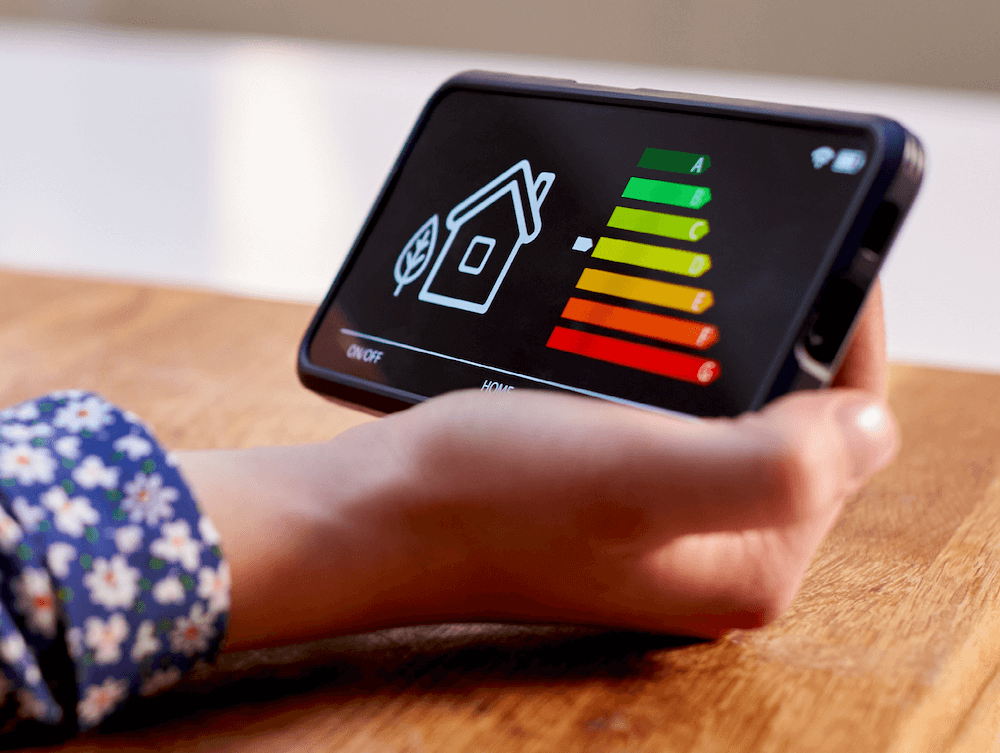
What Homeowners Should Do Next
If you are considering solar panels, battery storage or a heat pump in 2026, the Warm Homes Plan is a positive signal. It points to stronger long-term support, greater consumer confidence, and a bigger market.
But the plan is also clear that some elements – especially consumer finance details – are still being developed.
For many households, the most financially sensible approach is:
- Start benefitting from bill savings now, rather than waiting for an unknown finance product.
- Use today’s confirmed advantages, such as 0% VAT until 31 March 2027.
- Position your home for the direction of travel: cleaner electricity, smarter tariffs, and electrified heating.
Infinity Energy Services installs solar panels and battery storage for UK residential customers. If you want a system design and savings estimate tailored to your home and usage, we can help you compare options and decide whether installing now is the right move for you.