
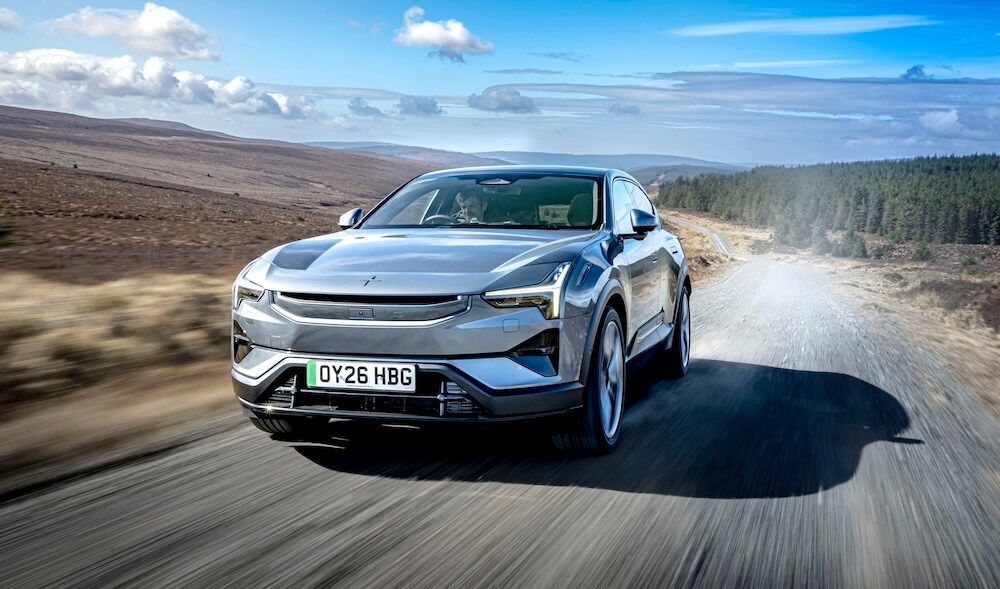
Diesel Hits a Record 199.18p a Litre – How to Power Your Car With Sunshine and Off-Peak Electricity

published 30 September 2026
Diesel has never cost more in the UK, and petrol has jumped by 41p a litre since February.
Whichever fuel you use, if you’re tired of watching the numbers spin at the pump, here’s how charging an electric car at home – from your own solar panels and cheap overnight electricity – can take the forecourt out of your life for good.
We’ll compare the cost per mile of petrol, diesel and electricity, and show how much you could save over 8,000 miles a year.
Diesel is now 199.18p a litre – a new UK record
Filled up recently? Then you’ll know all about it.
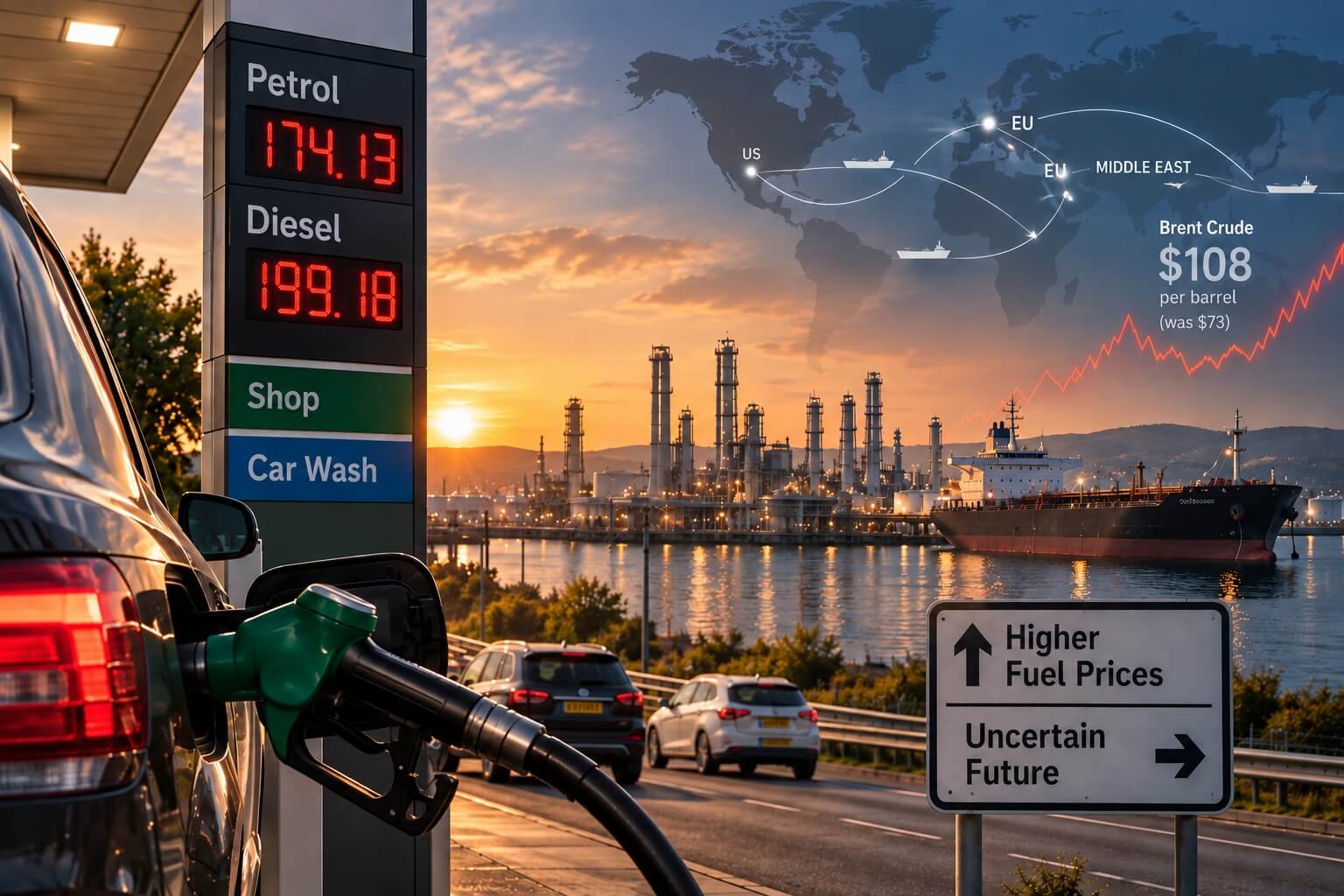
On 28 September 2026, the RAC reported that the average price of diesel had reached 199.18p a litre. That beats the previous record of 199.09p, set in June 2022.
Petrol is climbing too. It’s now 174.13p a litre; although that’s still well below its 2022 peak.
Here’s what that means in real money:
- Diesel is up 59p a litre since the conflict between the USA and Iran began at the end of February.
- Filling an average family diesel car now costs £110. That’s £31 more than it did at the start of the conflict.
- Petrol is up 41p a litre over the same period.
So, this isn’t just a diesel problem. Petrol drivers are paying much more than they were in February too, and everything below applies to them just as much.
The RAC says diesel prices have entered “uncharted territory”. You can read the full report on the BBC News website.
Why are fuel prices so high – and when will they come down?
The short answer: oil, and where it comes from.
For seven months, the war in the Middle East has disrupted the production and transport of oil across the region. Brent crude – the global benchmark used to price petrol and diesel – is hovering at around $108 a barrel. Before the conflict, it was trading at around $73.
Petrol and diesel are both made from crude oil, so when oil goes up, both follow.
Diesel has been hit harder than petrol, for three reasons:
- It’s harder to refine than petrol.
- Russia, another major producer, has banned diesel exports following attacks on its refineries.
- The UK’s four refineries make more than enough petrol, but not enough diesel. So we rely on imports.
When will prices fall? The RAC’s head of policy, Simon Williams, says pump prices won’t come down until there’s a sustained lower oil price – over “several weeks, not days”.
Nobody can tell you when that will be, and that’s the problem. If you drive a petrol or diesel car, your motoring costs are being set by events thousands of miles away.
Drivers are already moving. There were 15.1 million diesel vehicles on UK roads at the end of June, according to the Department for Transport – down from 15.7 million a year earlier.
What does a mile of petrol or diesel cost compared with a mile of electricity?
Let’s put some numbers on it.
For this worked example, we’ve assumed you drive 8,000 miles a year. We’ve also assumed a diesel family car that averages 50 mpg, a petrol family car that averages 45 mpg, and an electric car that averages 3.5 miles per kWh. These are round figures for illustration; your own car and driving will be different.
Note: ‘miles per kWh’ is simply the electric version of mpg. It tells you how far your car travels on one unit of electricity. The same unit measured by your home electricity meter.
Diesel at 199.18p a litre
A UK gallon is 4.546 litres, so a gallon of diesel now costs about £9.06 (4.546 x 199.18p).
At 50 mpg, that’s around 18.1p a mile (£9.06 ÷ 50).
Over 8,000 miles, you’d spend roughly £1,449 a year on diesel (8,000 x 18.1p).
Petrol at 174.13p a litre
A gallon of petrol now costs about £7.92 (4.546 x 174.13p).
At 45 mpg, that’s around 17.6p a mile (£7.92 ÷ 45).
Over 8,000 miles, you’d spend roughly £1,407 a year on petrol (8,000 x 17.6p).
Petrol may be cheaper per litre, but because petrol cars usually go fewer miles on a gallon, the cost per mile ends up very close to diesel.
Electric, charged at home at the price cap rate
From 1 October 2026, Ofgem’s price cap sets the average electricity unit rate at 26.32p per kWh for households paying by direct debit. That includes the removal of VAT from electricity between 1 October 2026 and 31 March 2027 – read more in our article on the electricity VAT cut.
At 3.5 miles per kWh, that’s about 7.5p a mile (26.32p ÷ 3.5).
8,000 miles would use around 2,286 kWh of electricity (8,000 ÷ 3.5), costing roughly £602 a year.
That’s already less than half the petrol or diesel bill. But you can do much better.
Electric, charged overnight on an EV tariff
EV tariffs give you a very cheap rate for a few hours every night. In southern England, the off-peak rates we checked in late August and early September 2026 included:
- EDF Go Electric – 6.99p per kWh, 11pm to 6am
- E.ON Next Drive Smart – 6.9p per kWh, midnight to 7am (with smart charging through a compatible charger or car)
- Octopus Go – around 8.63p per kWh, 12.30am to 5.30am
At 6.99p per kWh, the same electric car costs about 2p a mile (6.99p ÷ 3.5). That’s around £160 for 8,000 miles.
So in this example, a year’s fuel drops from about £1,449 for diesel, or about £1,407 for petrol, to about £160. That’s a saving of roughly £1,289 against diesel and £1,247 against petrol.
Please note: the daytime rate on these tariffs is higher than the price cap – between about 31p and 34p per kWh on the tariffs above. They work best when you can move your car charging, and other heavy use, into the cheap window.
Want your own figures? Our EV Running Cost Calculator works out what you’d spend based on your mileage, and our Smart Tariff Finder compares the EV tariffs available in your area.
How does off-peak charging actually work?
Think of it as Economy 7, but cheaper and smarter.
You set your car or your charger to start charging when the cheap window opens. Plug in when you get home, and it waits. Charging starts automatically overnight, and you wake up to a charged battery.
How much can you add in one night? A typical 7 kW home charger adds about 7 kWh an hour. Over a five-hour window, that’s around 35 kWh (7 kW x 5 hours) – roughly 122 miles at 3.5 miles per kWh. Over a seven-hour window, it’s around 49 kWh, or about 171 miles.
For most drivers, that covers a week of commuting in a night or two.
To get an EV tariff, you’ll usually need:
- A smart meter
- Off-street parking, so you can have a home charger fitted
- For some tariffs, a compatible charger or car
We install any EV charger available in the UK – including the Myenergi Zappi, Ohme Home Pro, Indra, Wallbox and Tesla Wall Connector – so we can match your charger to the tariff you want. Find out more on our EV charger installation page.
Can you really power your car with sunshine?
Yes. With a caveat or two.
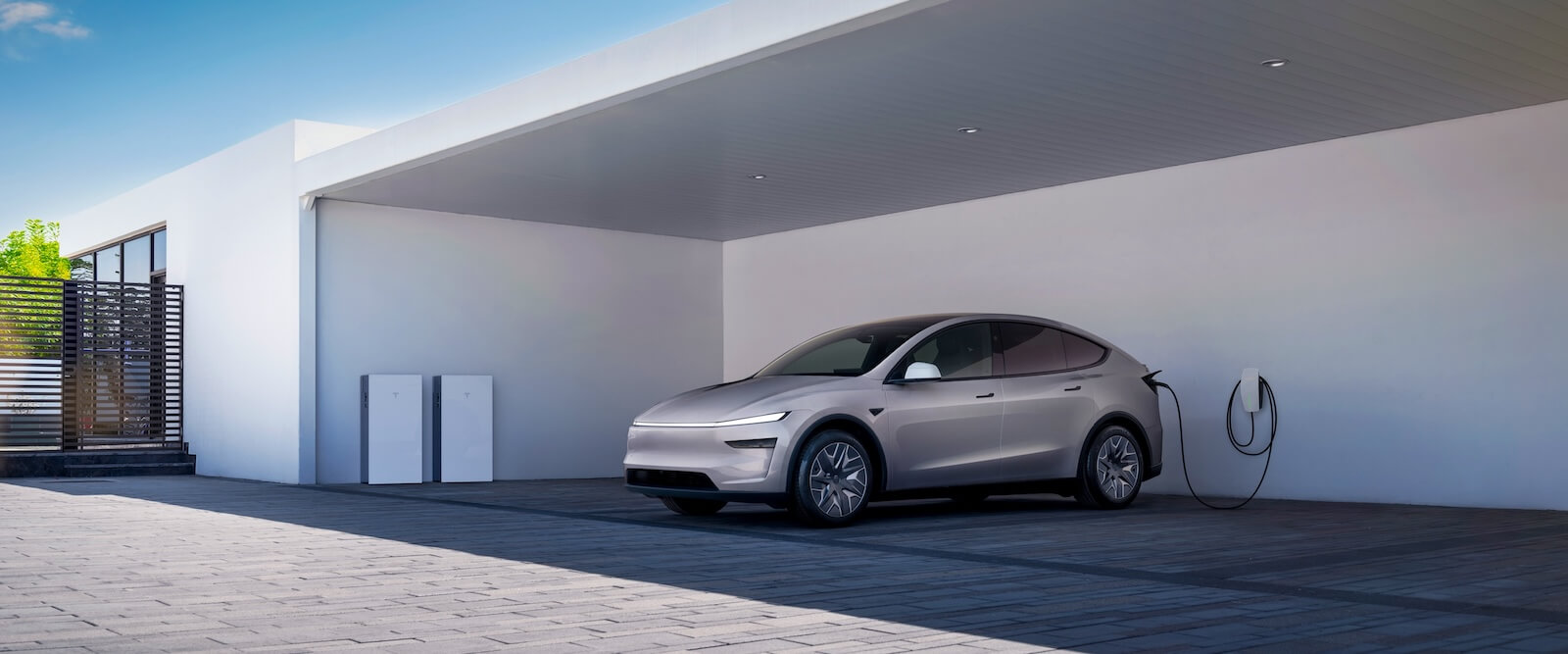
If you have solar panels, any electricity your home doesn’t use is normally exported to the grid. A solar-aware charger, such as the Myenergi Zappi, can send that surplus into your car instead.
On a sunny day, that’s fuel from your own roof.
What does it cost you? Only the export payment you would otherwise have earned for that electricity, which is normally well below the price you pay to buy electricity from the grid.
Now for the caveats. Solar charging works best when your car is at home in daylight:
- If you work from home, you’re retired, or there’s a second car on the drive, you can soak up a lot of summer sunshine.
- If your car is at work all day, solar will do less for your driving directly.
- In winter, solar output drops for everyone.
That’s why the smartest set-up combines the two. Sunshine when it’s available; off-peak electricity when it isn’t.
Want to see what your roof could produce? Try our Solar Savings Calculator.
Where does a home battery fit in?
A home battery is the glue that holds this together.
It stores surplus solar power during the day, so you can use it in the evening rather than exporting it. It can also charge up on cheap off-peak electricity overnight, then run your home through the expensive daytime hours.
The result? More of your household electricity comes from the cheap rate or your own roof; and more of your solar output is free for the car.
Please note: a home battery isn’t a second fuel tank. Most home batteries hold far less energy than an electric car’s battery, so think of it as a helper for the house, not a way to fill your car.
What will it cost to switch?
A home charger, solar panels and a battery are investments, and the payback depends on your home, your mileage and how you use energy.
Our Whole Home Energy Planner brings your car, your heating and your electricity use together, so you can see which upgrades earn their keep first.
It’s also worth checking what help is available. Our Grant & Incentive Eligibility Checker shows the schemes you may qualify for, and finance may be available, subject to status and credit checks.
Our view at Infinity Energy Services
A record diesel price isn’t a reason to panic-buy a new car.
If your current car is paid for, reliable and you don’t drive many miles, keeping it for now may well be the cheapest option. Replacing a car you don’t need to replace is expensive, however cheap the fuel.
But, if you’re changing your car in the next year or two anyway, the case for going electric and charging at home has rarely looked stronger. In our worked example, the fuel bill falls by around £1,289 a year compared with diesel, and £1,247 compared with petrol.
The home charger is the part that does the heavy lifting. Solar panels and a battery multiply the savings, but they won’t charge your car at midnight, and they won’t fill it in December. Anyone promising you free motoring all year round is overselling.
What they will do is change who sets your fuel price. With a home charger, an EV tariff and your own solar panels, the cost of driving is decided by your electricity tariff and your own roof. Not by a conflict thousands of miles away.
We can’t do anything about the higher prices the RAC warns will spread to goods and services carried by diesel lorries and vans. But we can help you make sure your own car isn’t one of them.
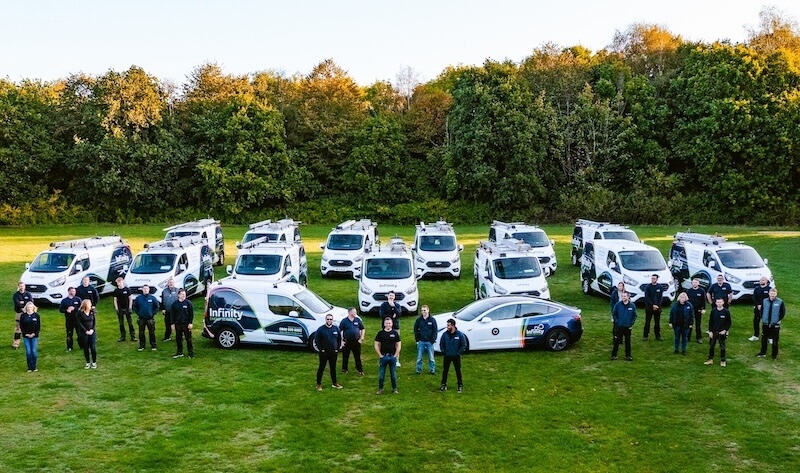
Get in touch with Infinity
Whether you’re exploring an electric car, home charging, solar panels or a home battery, Infinity Energy Services can help you understand the options for your home.
We have been in business since 2011, and we’re members of the independent RECC Assurance Scheme.
Contact us to talk through your options, or call us on 0800 909 8882.