
PAS 63100 explained: where can you install a home battery?

When choosing a home battery, it’s natural to focus on capacity, cost and how much it could save on electricity bills. Where it will actually go can feel like a less important detail.
Yet the location deserves attention early on. That empty wall, spare cupboard or space beside an existing inverter may look convenient, but your installer needs to assess whether it is suitable.
This is where PAS 63100 comes in. You may never have heard of it until it appeared in a quotation or your installer mentioned it during a survey.
In this guide, I’ll explain what it means for homeowners, how it affects battery placement and what to ask before agreeing to an installation.
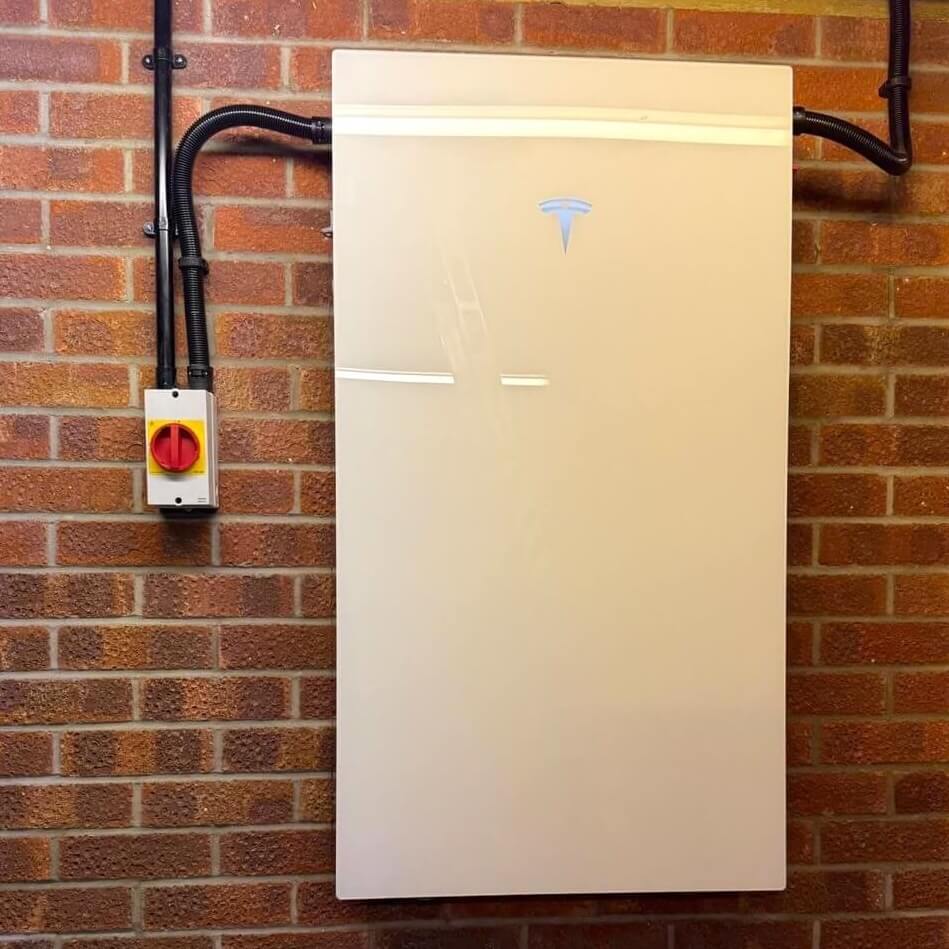
TABLE OF CONTENTS
• Where Can a Home Battery Be Installed?
• Can You Put a Solar Battery in the Loft?
• Does an Outdoor Battery Need a Cover?
• Is a Garage Always Suitable?
• Is PAS 63100 a Legal Requirement?
• How Does MCS Fit into This?
• What If You Already Have a Battery?
• Does the Guidance Cover Every Home?
• Questions to Ask Before Accepting a Battery Quotation
• Choosing a Battery for Your Home
published 7 September 2026
What is PAS 63100?
PAS stands for Publicly Available Specification. Published by BSI in March 2024, PAS 63100:2024 sets out fire-safety requirements for battery energy storage systems installed in homes.
It covers more than just positioning: battery enclosures, controls, fault management and other parts of the installation also feature. Its intended audience includes competent designers and installers, manufacturers and certification bodies.
For a homeowner, the relevant question is how those technical requirements affect the system being proposed for your property. You don’t need to become an expert in the document to ask your installer for a clear explanation. BSI’s overview of PAS 63100
The discussion matters whether you are buying solar panels and a battery together or considering battery storage on its own.
Where can a home battery be installed?
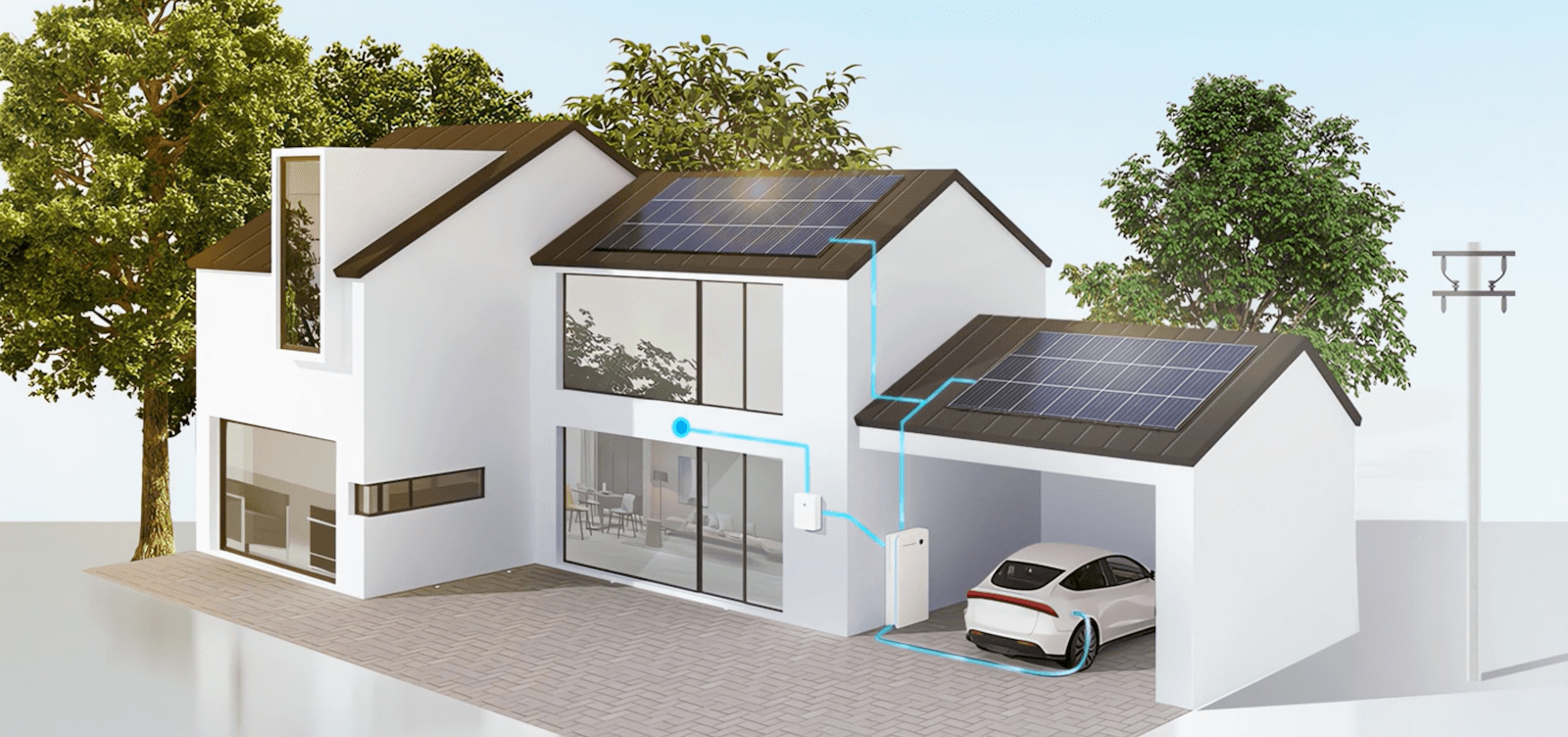
PAS 63100 starts with outdoor installation where practicable. Indoor alternatives need assessment, including ventilation and fire separation. Tesla’s own explanation of the specification recognises that the variety of building construction makes this a case-by-case decision. Tesla’s PAS 63100 guidance
The following comparison is a starting point for that discussion:
POSSIBLE LOCATION | WHAT NEEDS CHECKING |
External wall or outdoor base | Suitable equipment, clearances, escape routes and the wall’s fire performance. |
Detached garage or outbuilding | Suitability of the building and equipment, access and surrounding hazards. |
Attached or integrated garage | Separation from the home, ventilation and protection against vehicle damage. |
Indoor room or cupboard | Whether the location is permitted, with appropriate ventilation, fire separation and detection. |
Loft or roof space | Excluded by PAS 63100. |
Bedroom or escape route | Excluded locations include sleeping rooms and specified escape-route areas. |
Cellar or basement | Excluded if there is no access to outside. |
For outdoor batteries, PAS 63100 specifies separation of at least 1 metre from doors, windows, ventilation ports and escape routes. It also excludes positions within 2 metres of stored flammable materials and fuel tanks or cylinders. Zurich guidance on safe battery installation
Rather than choosing a location yourself and asking an installer to make it work, I’d suggest asking them to explain the suitable options first. You can then weigh up appearance, convenience and any additional work with the technical assessment already in view.
Can you put a solar battery in the loft?
PAS 63100 expressly excludes lofts, roof spaces and voids as battery locations.
If a new quotation proposes a battery in your loft, ask the installer to explain how that proposal addresses the specification. An existing inverter upstairs should not end the discussion about where the battery belongs.
Also check exactly which equipment the quotation places there. A battery and a separate solar inverter are different components; a reference to one does not necessarily describe the location of the other.
Does an outdoor battery need a cover?
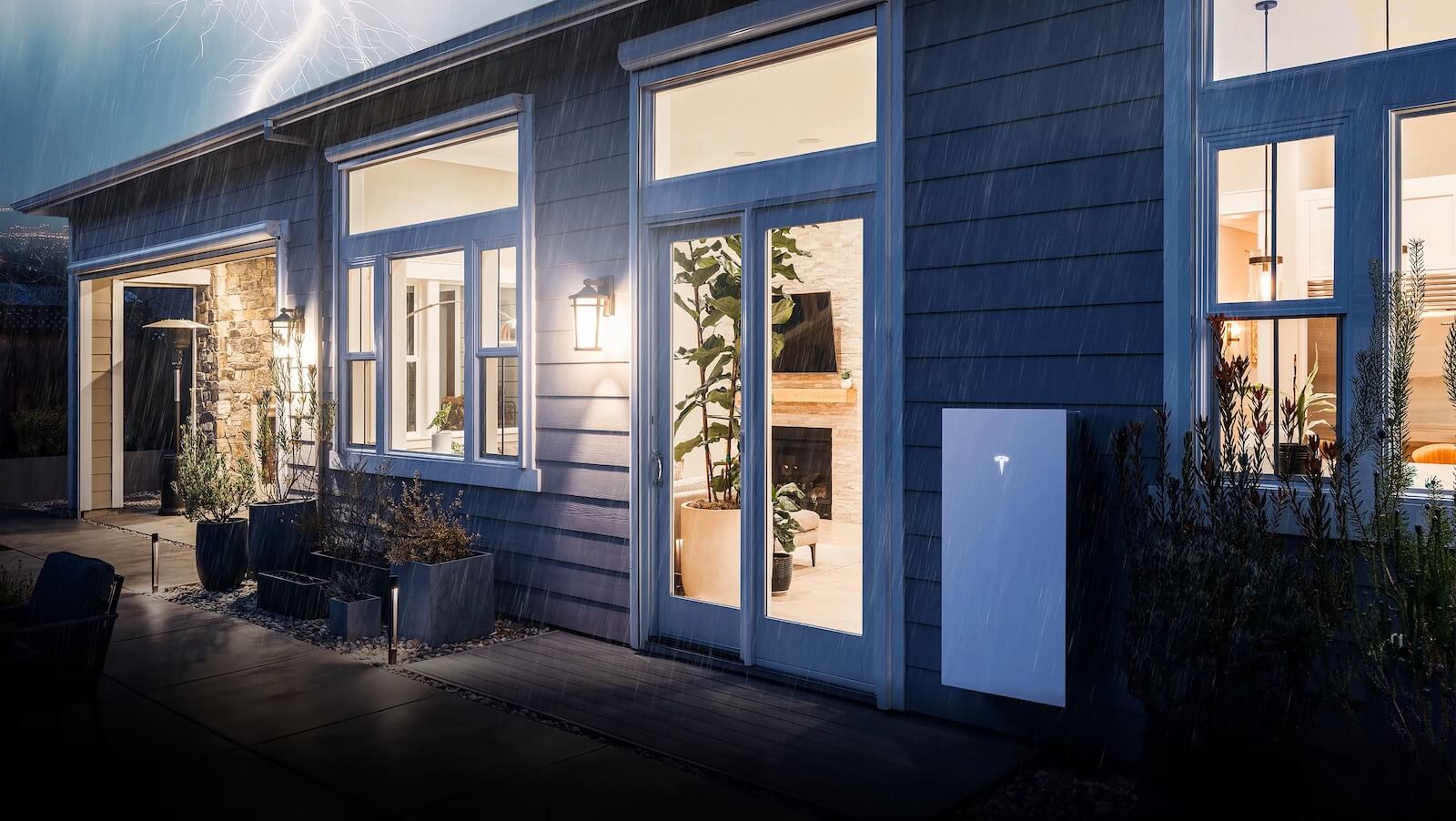
Start with the instructions for the particular model. Equipment designed for outdoor installation may already have the protection it needs, while an improvised cover or enclosure could obstruct ventilation or access.
For example, Tesla lists Powerwall 3 as suitable for indoor and outdoor environments. Its installation manual separately specifies clearances for airflow, cabling and servicing, and requires vents to remain unobstructed. Those details still matter after installation, when garden furniture, foliage or stored items might occupy the surrounding space. Powerwall 3 specifications, Tesla’s clearance requirements
Before buying a cabinet or having a shelter built, ask your installer whether it is appropriate for the proposed battery. Include temperature limits, airflow and access in that conversation.
Is a garage always suitable?
A garage is an option to investigate, rather than an automatic approval.
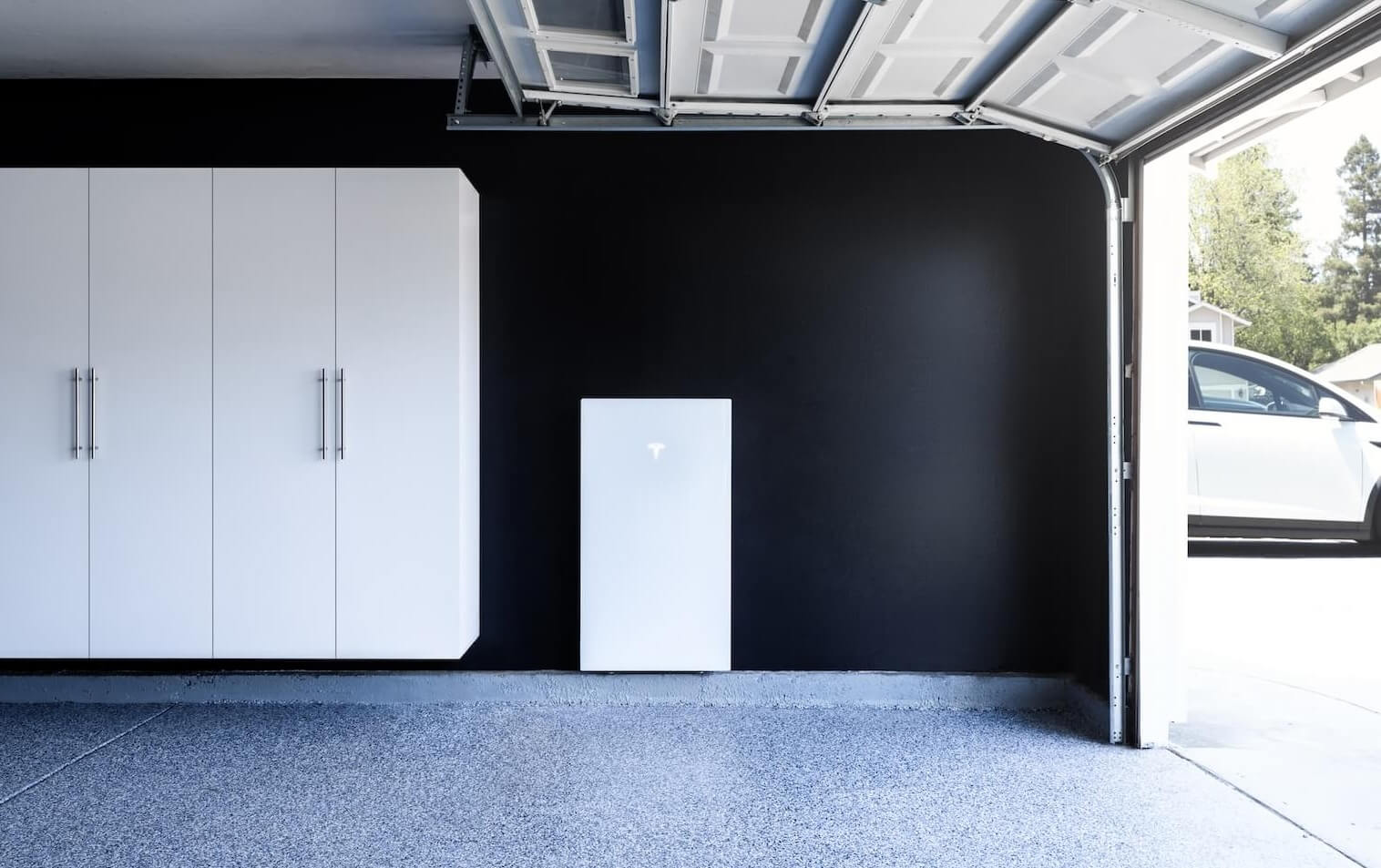
Tesla’s PAS guidance highlights both the need to assess fire separation and the possibility of additional protection where a vehicle could damage the equipment. It also explains the specification’s requirement for fresh-air ventilation from indoor battery locations to outdoors. Tesla’s installation-safety discussion
During a survey, show the installer how you actually use the garage. Where does the car stop? Which shelves hold garden supplies? Are you planning to convert part of it into living space?
Those details help make the assessment relevant to your home. A photograph of a clear wall cannot tell the whole story.
Is PAS 63100 a legal requirement?
PAS 63100 is a technical specification, rather than an Act of Parliament. However, that does not make it something an installer can simply disregard.
Its relationship with the Wiring Regulations is particularly relevant in 2026. NAPIT confirms that the published BS 7671:2018+A4:2026, known as Amendment 4, references PAS 63100 in Regulation 570.6.7.203. NAPIT’s explanation
The 2026 changeover
Amendment 4 was published on 15 April 2026. During the transition, installers can work to it or the preceding edition. The IET states that the preceding edition remains valid until 15 October 2026.
If your installation falls around this changeover, ask which edition is being used for its design and certification. IET guidance on the transition
Where an installer proposes a departure from the Wiring Regulations, the IET explains that it needs specific consideration, supporting evidence and recording on the appropriate certification. The resulting safety must be no less than compliance would provide. A homeowner should expect a reasoned explanation, rather than a verbal assurance that a different arrangement is “fine”. IET guidance on departures
How does MCS fit into this?
MCS has its own battery installation standard, MIS 3012. The published MCS 2025 edition requires systems to be designed and installed using the latest IET storage Code of Practice alongside its specified requirements. It also establishes how conflicts with BS 7671 should be handled.
Its requirements include assessing the building’s suitability and conducting risk assessments before work starts. MCS battery installation standard
For homeowners, the practical point is to ask about certification for the battery installation itself and the documents you will receive at handover. Keep those alongside the quotation, warranty and operating instructions.
What if you already have a battery?
Reading updated installation advice can be unsettling, particularly if your battery is already in a location discussed above.
A change in standards does not, by itself, establish that an older installation is unsafe. The IET explains that standards are not retrospective and that an installation meeting an earlier edition is not necessarily unsafe because requirements have since changed. IET guidance on existing installations
Equally, that principle is not a safety assessment of your particular system.
If you have concerns, ask a competent battery installer to review the equipment, location and original documentation. If you are planning an extension, replacement battery or changes to the room, raise those plans during the assessment.
A useful starting point is to gather the installation date, model details, electrical certificate and any photographs taken during the work. That gives the person assessing it a clearer picture than the location alone.
Does the guidance cover every home?
PAS 63100 excludes dwellings exceeding 200 m² from its stated scope. It says its fire-safety principles can still be applied to larger homes, with consultation from a fire-safety expert recommended. High-risk residential buildings are also outside its scope. PAS 63100, section 1 (PDF)
For a larger or unusual property, ask how the design team is assessing its particular requirements.
Questions to ask before accepting a battery quotation
I’d put these questions alongside the usual discussion about capacity, savings and warranty:
- Why have you chosen this location? Ask which alternatives were considered.
- How does the proposal address PAS 63100? Request an explanation relevant to your home.
- Which Wiring Regulations edition will the installation use?
- Does the price include any additional work? Ask about cabling, ventilation, fire protection, detection and impact protection where relevant.
- What space must remain clear afterwards?
- What certification and handover documents will I receive?
- Would future plans change the assessment? Mention an extension, garage conversion or possible battery expansion.
The answers should help you understand what you are buying and compare quotations on a more useful basis than battery size and headline price alone.
Choosing a battery for your home
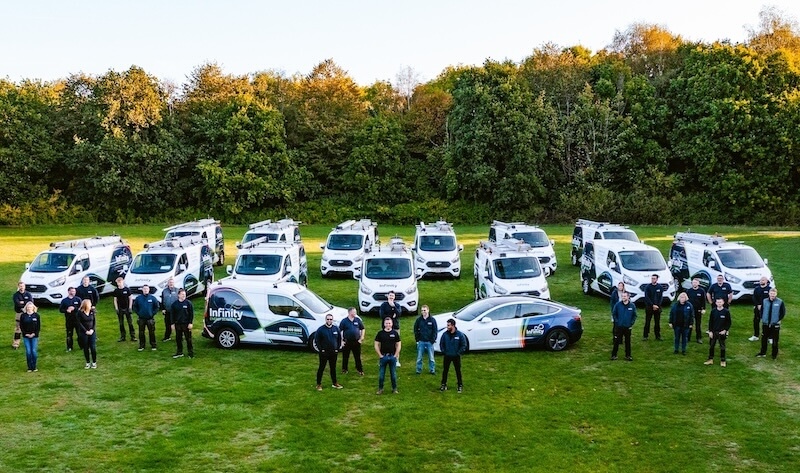
If you are considering home battery storage, Infinity Energy Services can discuss your requirements and assess suitable installation options.
You can also explore potential costs and savings through Infinity’s battery tools and calculators. Bring that financial picture into the survey conversation, together with the practical question of where the equipment will go.
Home battery installation near you
Infinity installs home batteries across nine counties in the South. Choose yours for local details: Hampshire · Dorset · Wiltshire · Berkshire · Surrey · West Sussex · Somerset · Gloucestershire · Oxfordshire.
We only install in these counties, so please check yours is listed before you enquire.